Antibalder
Fixed-dose oral research capsule pairing two of the most extensively studied hair-cycle-modulating molecules: GHK-Cu (copper tripeptide) + minoxidil. Two convergent vascular and trophic pathways in one formulation.
DETAILED OVERVIEW
What is Antibalder?
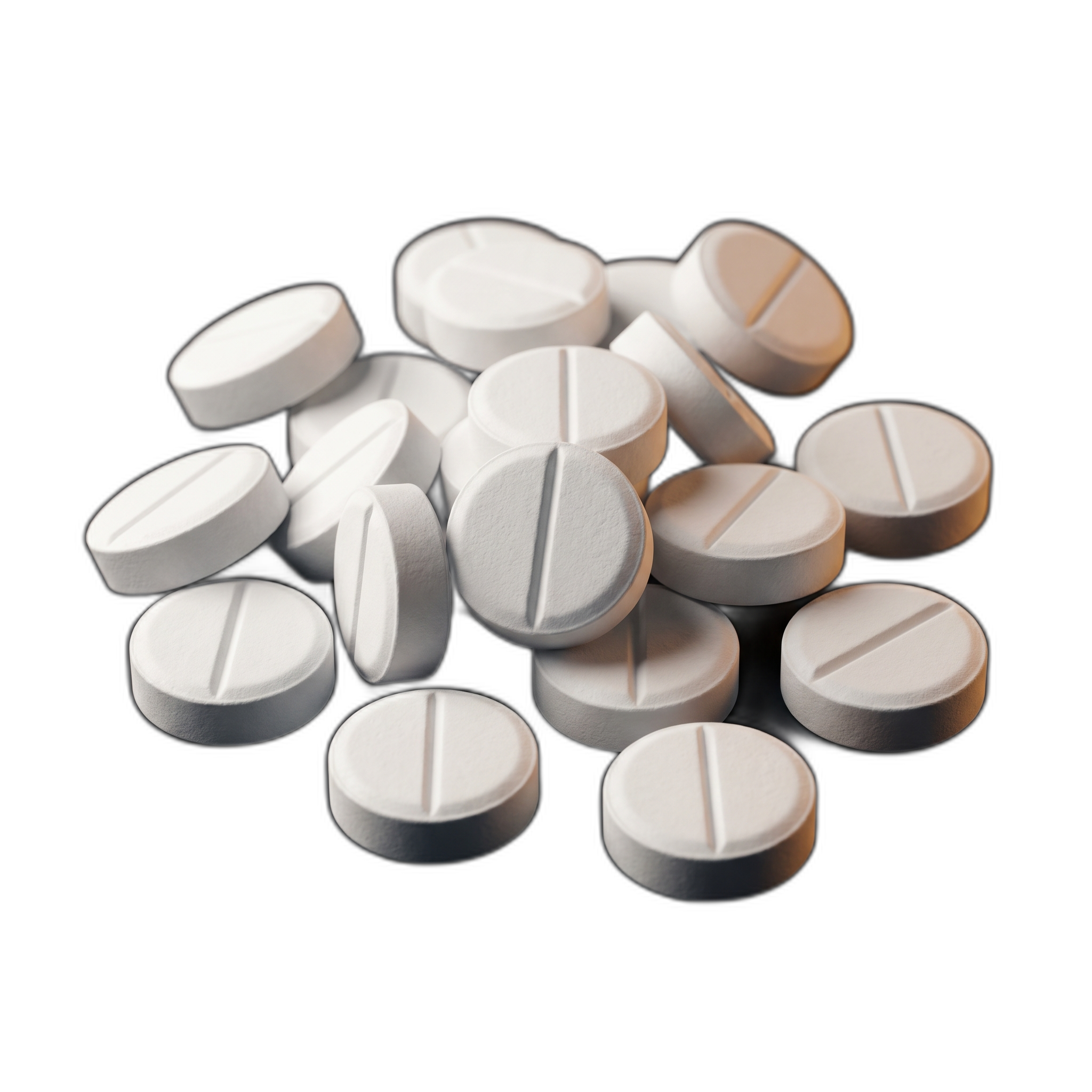
Antibalder is a GHK-Cu + minoxidil oral research capsule, combining two of the most extensively cited hair-cycle-modulating molecules in the dermatology literature into a single research formulation. GHK (glycyl-L-histidyl-L-lysine) is a tripeptide naturally present in human plasma at micromolar concentrations, where it forms a high-affinity 1:1 complex with copper(II); the bioactive form is GHK-Cu. According to Connectivity-Map analyses the complex modulates the expression of more than 4,000 human genes, with a clear bias toward tissue-remodeling, anti-inflammatory and anti-aging programs; in dermal papilla cells specifically, GHK-Cu upregulates VEGF, FGF-7 and noggin and prolongs anagen. Minoxidil, originally developed as an antihypertensive, is the gold-standard topical and oral drug in pattern hair loss; its sulfate metabolite opens ATP-sensitive potassium channels and markedly upregulates VEGF in the dermal papilla, prolonging anagen and shortening telogen. Recent low-dose oral minoxidil (LDOM) literature has expanded the pharmacology beyond topical applications, with multiple controlled studies demonstrating efficacy at doses orders of magnitude below antihypertensive thresholds. Antibalder pairs these two convergent vascular-and-trophic pathways in fixed unit doses to enable structured experimental work on combined-pathway hair-cycle modulation. Important framing: each molecule is individually well documented, but the fixed oral COMBINATION itself is a research formulation, not an approved drug, and the systemic exposure of the oral minoxidil component warrants medical supervision.
Type
Fixed-dose oral combination (research capsule)
Components
GHK-Cu (copper tripeptide-1 complex) + Minoxidil
Structure
GHK-Cu: Gly-His-Lys · Cu²⁺ + Minoxidil: piperidinopyrimidine
GHK-Cu
CAS 89030-95-5 · C₁₄H₂₄CuN₆O₄ · ~403.92 g/mol
Minoxidil
CAS 38304-91-5 · C₉H₁₅N₅O · ~209.25 g/mol
Molecular weight
GHK-Cu ~403.92 · Minoxidil ~209.25 g/mol
This stack contains the following peptides
No anecdote collected yet.
Data console
Lab data
Pickart L, Margolina A. . Regenerative and Protective Actions of the GHK-Cu Peptide in the Light of the New Gene Data. Int J Mol Sci. 2018;19(7):1987..
Pickart L, Vasquez-Soltero JM, Margolina A. . GHK Peptide as a Natural Modulator of Multiple Cellular Pathways in Skin Regeneration. Biomed Res Int. 2015;2015:648108..
Pyo HK, Yoo HG, Won CH, et al. . The effect of tripeptide-copper complex on human hair growth in vitro. Arch Pharm Res. 2007;30(7):834-839..
Perera E, Sinclair R. . Treatment of chronic telogen effluvium with oral minoxidil: A retrospective study. F1000Research. 2017;6:1650..
Suchonwanit P, Thammarucha S, Leerunyakul K. . Minoxidil and its use in hair disorders: a review. Drug Des Devel Ther. 2019;13:2777-2786..
Vañó-Galván S, Pirmez R, Hermosa-Gelbard A, et al. . Safety of low-dose oral minoxidil for hair loss: A multicenter study of 1404 patients. J Am Acad Dermatol. 2021;84(6):1644-1651..
Safety
Side effects, stop signs, contraindications
Side effects · 6
- Fluid retention and edema (oral minoxidil component): sodium and water retention, ankle or facial swelling, weight gain; more pronounced at higher systemic exposure.
- Reflex tachycardia and palpitations: vasodilation can trigger a compensatory rise in heart rate, which may worsen angina.
- Hypertrichosis (unwanted body and facial hair): the most common reason for stopping systemic minoxidil, more pronounced in women.
- Initial paradoxical shedding (telogen effluvium): a transient increase in hair loss in the first weeks before regrowth begins, not a treatment failure.
- GHK-Cu component: the copper tripeptide is generally well tolerated; a theoretical concern is prolonged high copper intake (monitoring copper balance is reasonable with long-term use).
- Combination uncertainty: the fixed GHK-Cu + oral minoxidil combo has not been studied for human safety or pharmacokinetics on its own; risk is inferred from the components.
Contraindications · 5
- Pheochromocytoma: oral minoxidil may provoke catecholamine release and is therefore contraindicated.
- Acute myocardial infarction, active ischemia or significant pericardial effusion: reflex tachycardia and increased cardiac workload contraindicate oral minoxidil.
- Pregnancy and breastfeeding: minoxidil is excreted in breast milk and fetal safety is not established; not justified for alopecia.
- Known hypersensitivity to minoxidil, GHK-Cu or any excipient, or Wilson's disease / copper-metabolism disorder (due to the copper content).
- Unsupervised self-treatment: because of oral minoxidil's systemic effects (blood pressure, heart rate, fluid balance) the fixed oral combo is not advised without monitoring.
Related Hair & Skin
Same therapeutic category
Studies
Related research and clinical findings
Regenerative and Protective Actions of the GHK-Cu Peptide in the Light of the New Gene Data
Pickart L, Margolina A.
GHK Peptide as a Natural Modulator of Multiple Cellular Pathways in Skin Regeneration
Pickart L, Vasquez-Soltero JM, Margolina A.
The effect of tripeptide-copper complex on human hair growth in vitro
Pyo HK, Yoo HG, Won CH, et al.
Treatment of chronic telogen effluvium with oral minoxidil: A retrospective study
Perera E, Sinclair R.
Minoxidil and its use in hair disorders: a review
Suchonwanit P, Thammarucha S, Leerunyakul K.
Safety of low-dose oral minoxidil for hair loss: A multicenter study of 1404 patients
Vañó-Galván S, Pirmez R, Hermosa-Gelbard A, et al.
Telegram
Have a question about Antibalder?
Educational hair and skin info from official sources (PubMed, FDA, EMA). Does NOT replace medical consultation. Talk to a dermatologist!
Personalized consultation
Want a detailed conversation tailored to your data?
Fill out the prep intake form (your goals, training and health data), and the advisor prepares from it to give genuinely personalized guidance.
Fill out the form~5–7 min · prep questionnaire · confidential · GDPR-compliant
The information here is strictly for educational and scientific purposes. It does not replace medical advice or clinical consultation, and it does not encourage illegal substance or pharmaceutical use. Data is sourced. When in doubt, consult your doctor.