JAMA. 1934;103(20):1571.
Death from accidental 2,4-dinitrophenol poisoning
Pyle SA, Cooke G.
DO NOT USE. 2,4-dinitrophenol, with risk of fatal hyperthermia. Educational context to make the dangers known.
DETAILED OVERVIEW
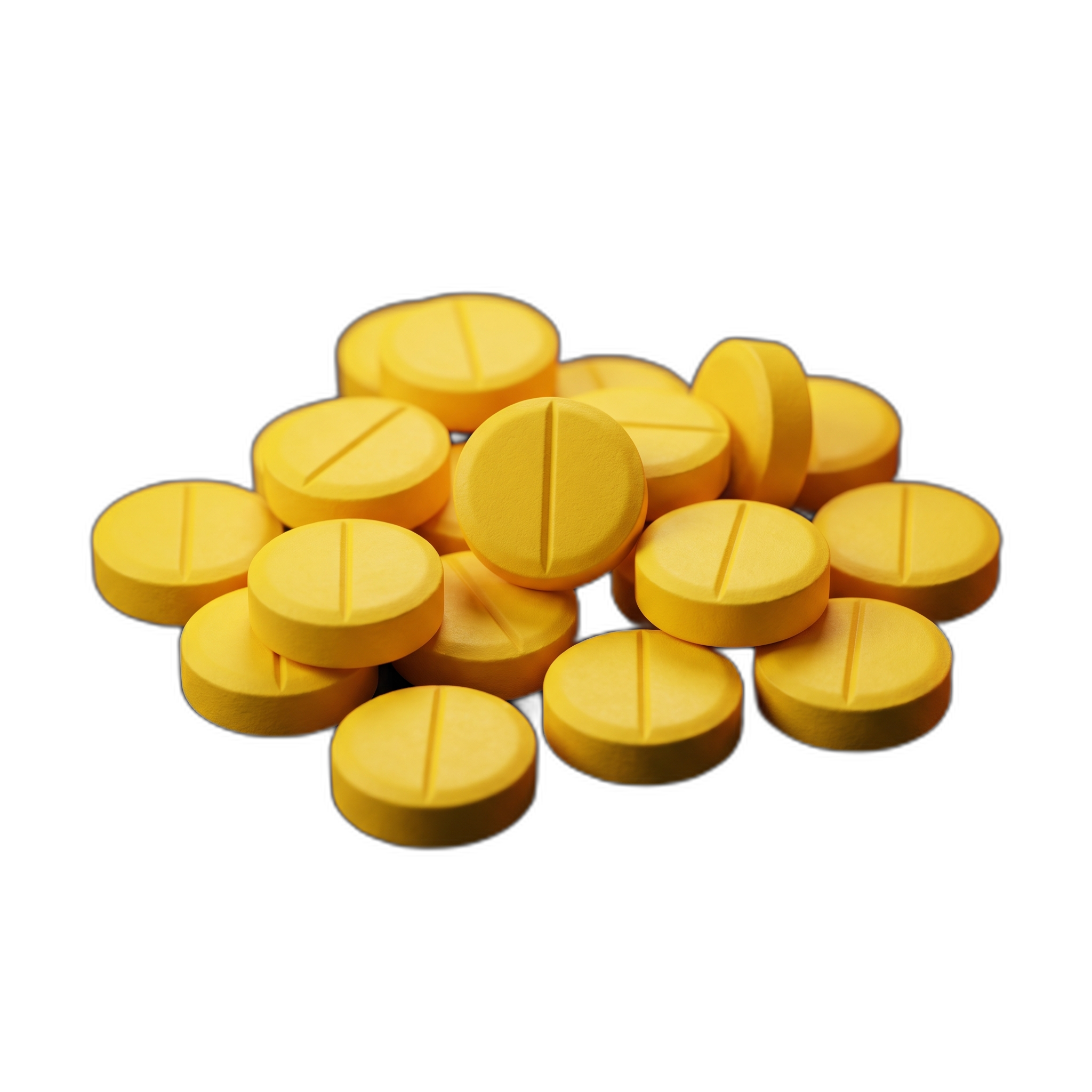
WARNING: DNP use is EXTREMELY DANGEROUS, with documented fatal hyperthermia cases (Grundlingh 2011 systematic review). This entry is included for educational purposes only and DOES NOT provide usage guidance. Please do not use it, and inform others of the dangers. 2,4-dinitrophenol (DNP) is an industrial chemical (dyes, explosives) briefly marketed as an anti-obesity drug in the 1930s in the US. It uncouples mitochondrial oxidative phosphorylation: protons from the electron transport chain bypass ATP synthase, and the released energy dissipates as heat. ATP/heat dissipation quantitative detail: a healthy mitochondrion produces 38 ATP per glucose molecule; on DNP this drops to ~10-15 ATP, with the missing energy uncontrollably dissipating as heat. Result: extreme BMR rise (up to +50%), but uncontrollable hyperthermia which can cause 41-43°C body temperature and death. Bodybuilder use pattern (Petróczi 2015 PMID 26092626 inline): based on a pre-contest "magic bullet" myth; online bodybuilding forums still circulate 200-400 mg/day protocols that approach or exceed the lethal 4.3 mg/kg threshold (~300 mg in an adult). Most deaths involved healthy men aged 21-32. Lethal hyperthermia onset: 41-43°C body temperature within 6-12 h after acute dosing – sweating → tachycardia → tachypnea → confusion → seizure → organ failure. There is NO antidote (ice bath + ICU support, often too late).
Mechanism
Mitochondrial uncoupler (ATP synthesis bypass)
Half-life
~36 hours (therapeutic dose, but cumulative)
Lethal dose
Acute: 4.3 mg/kg (~300 mg in adult)
Legal status
USA: FDA withdrew 1938. EU/HU: prohibited for human use. WADA: banned.
No anecdote collected yet.
Data console
Grundlingh J, Dargan PI, El-Zanfaly M, Wood DM. . 2,4-Dinitrophenol (DNP): a weight loss agent with significant acute toxicity and risk of death. J Med Toxicol. 2011;7(3):205-212..
Bartlett J, Brunner M, Gough K . Deliberate poisoning with dinitrophenol (DNP): an unlicensed weight loss pill.. Emerg Med J.
Pyle SA, Cooke G. . Death from accidental 2,4-dinitrophenol poisoning. JAMA. 1934;103(20):1571..
Kopec KT, Freiermuth C, Maynard S, Hoyte C . Dinitrophenol (DNP) Fatality Associated with a Falsely Elevated Salicylate Level: a Case Report with Verification of Laboratory Method.. J Med Toxicol.
Safety
Side effects · 8
Contraindications · 7
Related Performance Compounds
Studies
Grundlingh J, Dargan PI, El-Zanfaly M, Wood DM.
Bartlett J, Brunner M, Gough K
Pyle SA, Cooke G.
Kopec KT, Freiermuth C, Maynard S, Hoyte C
Telegram
Reach out to an advisor on Telegram. Performance compounds are presented with a harm-reduction approach, based on peer-reviewed evidence.
Personalized consultation
Fill out the prep intake form (your goals, training and health data), and the advisor prepares from it to give genuinely personalized guidance.
Fill out the form~5–7 min · prep questionnaire · confidential · GDPR-compliant
The information here is for educational and scientific purposes only. Performance-enhancing compounds (AAS, prohormones, stimulants, doping agents) are illegal without prescription in Hungary and most of the EU, and carry serious health and legal risks. WADA bans them in competitive sport. This is NOT a usage guide, and we do not encourage any illegal use. If you do use them, medical supervision and regular bloodwork are ESSENTIAL. Severe endocrine, cardiovascular, hepatic and psychiatric side effects are possible.