Winstrol
Stanozolol, 17α-alkylated DHT derivative. Classic "cutting" AAS, SHBG suppressor.



The links above are labelled third-party affiliate links. MolekulaX does not sell and does not verify product quality.
DETAILED OVERVIEW
What is Winstrol?
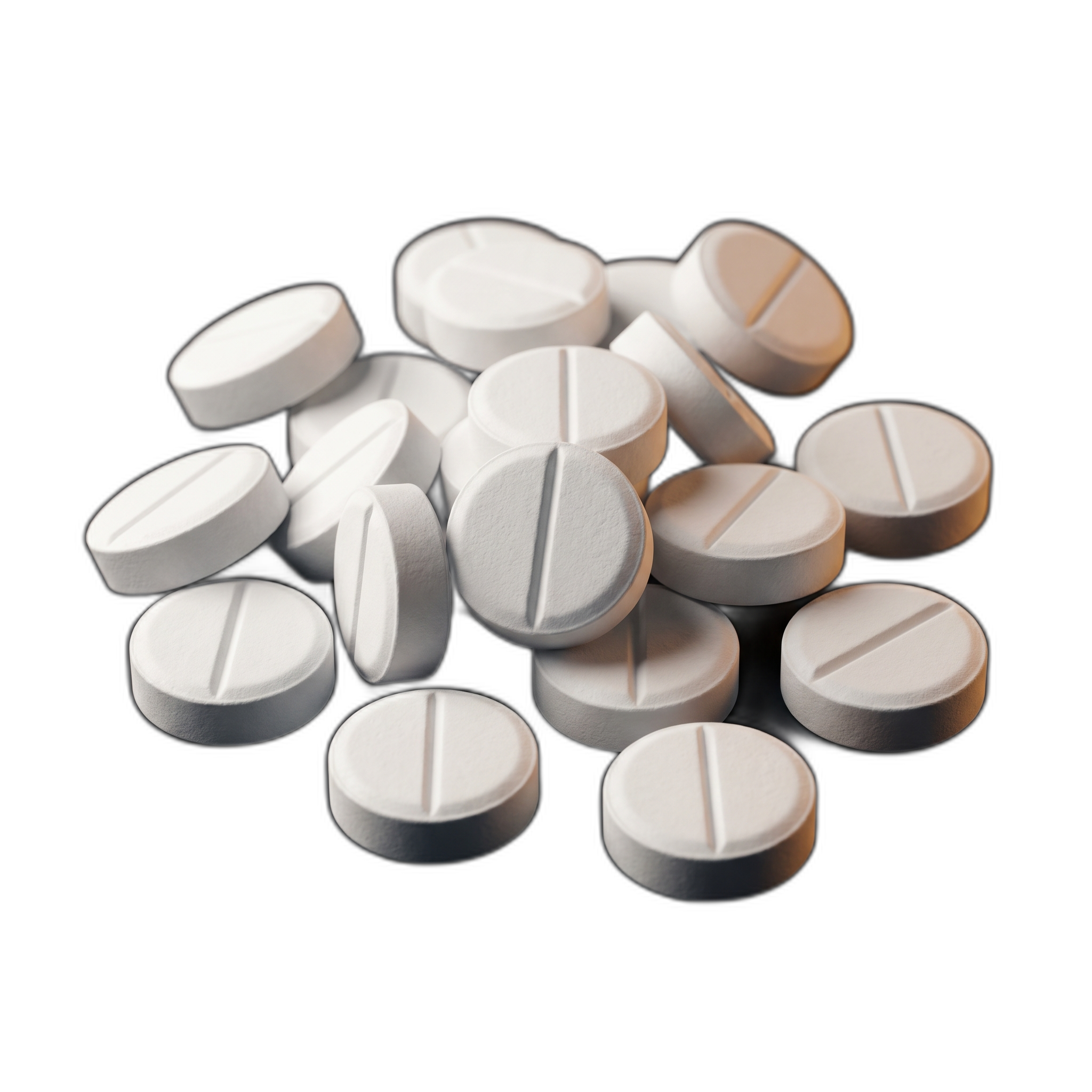
Stanozolol (Winstrol) is a DHT derivative, a 17α-alkylated oral or injectable AAS. The SHBG-reduction mechanism is direct hepatic SHBG-mRNA synthesis inhibition (Sinnecker & Köhler 1990, PMID 2723028), raising the free testosterone fraction – significant andro-amplification even on TRT baseline. Does not aromatize, so no estrogenic side effects. Clinically developed for hereditary angioedema and anemia; in sports it is used in "cutting" cycles for muscle sparing. The Ben Johnson 1988 Olympic scandal involved this compound. Pharmacological positioning: force-amplifier and tissue-quality modulator more than a hypertrophy builder – strength gain is often disproportionate to visible muscle gain. Connective tissue warning (Liow 1995 PMID 7551764): stanozolol-associated tendon-rupture cases are well documented in athlete literature; muscle strength rises faster than tendon collagen crosslink maturity, creating rupture risk especially in sprint/explosive sports.
Mechanism
AR agonist + SHBG suppressor
Half-life
~9 h (oral), ~24 h (aq IM)
Anabolic:Androgenic ratio
320:30
Aromatization
None (DHT derivative)
Hepatotoxicity
Moderate-high (17α-alkylated, both forms)
Legal status
USA: FDA Schedule III Rx. EU: restricted Rx. WADA: banned.
Anecdotal reports describe Winstrol less in terms of dramatic growth and more as producing a distinct dense, tight, performance-enhancing character – with strength increases sometimes seeming disproportionate to visible muscle gain. A recurring theme in community accounts is that Winstrol produces noticeable shifts in muscular hardness, separation, and recomposition, which helped establish its long-standing reputation in physique-focused use. At the same time, users emphasize that the 'dry, refined' image can obscure important tradeoffs – particularly harsh lipid effects, hepatic stress in BOTH oral and injectable forms (the 17α-methyl acts systemically regardless of route), HPTA suppression, blood pressure concerns, and frequent reports of connective-tissue or joint-related complaints. Winstrol is sometimes underestimated because it does not present as a dramatic mass drug, when in practice it exerts potent effects on tissue performance and presentation.
⚠ Not clinical evidence – based on user accounts.
Data console
Lab data
Hartgens F, Kuipers H. . Effects of androgenic-anabolic steroids in athletes. Sports Med. 2004;34(8):513-54..
Liow RY, Tavares S. . Bilateral rupture of the quadriceps tendon associated with anabolic steroids. Br J Sports Med. 1995;29(2):77-79..
Pope HG Jr, Wood RI, Rogol A et al. . Adverse health consequences of performance-enhancing drugs: an Endocrine Society scientific statement. Endocr Rev. 2014;35(3):341-375..
Bausserman LL, Saritelli AL, Herbert PN. . Effects of short-term stanozolol administration on serum lipoproteins in hepatic lipase deficiency. Metabolism. 1997;46(9):992-6..
Safety
Side effects, stop signs, contraindications
Side effects · 8
- Hepatotoxicity: the 17α-alkylated molecule stresses the liver in BOTH forms (oral and aqueous IM), with ALT/AST rising 2-4x, cholestasis, rarely peliosis hepatis. The depot IM is NOT gentler, the same 17α-methyl molecule acts systemically.
- Severe lipid deterioration: HDL often drops >30% from baseline and LDL rises (Bausserman 1997). Stanozolol is one of the harshest AAS on lipids, raising atherosclerosis and cardiovascular risk.
- Androgenic effects: acne, oily skin, crown hair thinning (androgenetic alopecia in predisposed users). As a DHT derivative it is strongly androgenic despite the 320:30 ratio, and it does not aromatize, so there is no estrogen buffer.
- Tendon rupture risk (Liow 1995): stanozolol increases muscle strength faster than tendon collagen cross-link maturity can keep up, causing documented tendon and ligament ruptures, especially in sprint/explosive sports.
- Joint dryness and pain ("Winstrol joint pain"): the compound reduces synovial fluid, producing subjectively painful, dry, creaking joints and raising injury risk.
- HPTA suppression: endogenous testosterone production and spermatogenesis shut down, with reduced libido, testicular atrophy and temporary infertility. PCT (post-cycle therapy) is needed for recovery.
- Virilization in women: voice deepening, facial and body hair growth, clitoral enlargement and menstrual disruption, some of which can be irreversible. Female dosing is therefore strictly capped at 5-10 mg/day.
- Injectable (aqueous IM) form-specific: the microcrystals physically irritate muscle tissue, causing very painful injection (PIP), edema and abscess risk, requiring aseptic technique.
Contraindications · 7
- Any pre-existing liver disease (fatty liver, hepatitis, cholestasis, prior liver injury): 17α-alkylated stanozolol is markedly hepatotoxic in both forms and can worsen an existing liver condition.
- Pregnancy and breastfeeding: the androgenic action virilizes the fetus (especially a female fetus), with serious developmental harm risk. Absolute contraindication.
- Existing dyslipidemia or cardiovascular disease (coronary artery disease, prior heart attack, uncontrolled hypertension): the drastic HDL drop and LDL rise markedly worsen cardiovascular risk.
- Prostate carcinoma or male breast cancer: as an androgen, AAS can stimulate progression of hormone-sensitive tumors. Contraindicated with known or suspected such cancer.
- Concurrent warfarin/anticoagulant therapy or alcohol and paracetamol use: stanozolol potentiates warfarin (bleeding risk), and hepatotoxic agents compound the liver toxicity.
- Concurrent use of other 17α-alkylated oral AAS (Anadrol, Dianabol, Superdrol, Anavar): the combined first-pass liver load is extreme and can cause severe hepatotoxicity and cholestasis.
- Sprint/explosive athlete in an active training cycle: the tendon rupture risk documented by Liow 1995 is heightened because muscle strength rises faster than tendon load capacity.
Related Performance Compounds
Same therapeutic category
Studies
Related research and clinical findings
Effects of androgenic-anabolic steroids in athletes
Hartgens F, Kuipers H.
Bilateral rupture of the quadriceps tendon associated with anabolic steroids
Liow RY, Tavares S.
Adverse health consequences of performance-enhancing drugs: an Endocrine Society scientific statement
Pope HG Jr, Wood RI, Rogol A et al.
Effects of short-term stanozolol administration on serum lipoproteins in hepatic lipase deficiency
Bausserman LL, Saritelli AL, Herbert PN.
Telegram
Have a question about Winstrol?
Reach out to an advisor on Telegram. Performance compounds are presented with a harm-reduction approach, based on peer-reviewed evidence.
Personalized consultation
Want a detailed conversation tailored to your data?
Fill out the prep intake form (your goals, training and health data), and the advisor prepares from it to give genuinely personalized guidance.
Fill out the form~5–7 min · prep questionnaire · confidential · GDPR-compliant
The information here is for educational and scientific purposes only. Performance-enhancing compounds (AAS, prohormones, stimulants, doping agents) are illegal without prescription in Hungary and most of the EU, and carry serious health and legal risks. WADA bans them in competitive sport. This is NOT a usage guide, and we do not encourage any illegal use. If you do use them, medical supervision and regular bloodwork are ESSENTIAL. Severe endocrine, cardiovascular, hepatic and psychiatric side effects are possible.