Peptide Library
BPC-157 vs TB-500
The table compares the compounds’ key data from their entry pages. Open each compound’s full entry for details. Educational content, not medical advice.
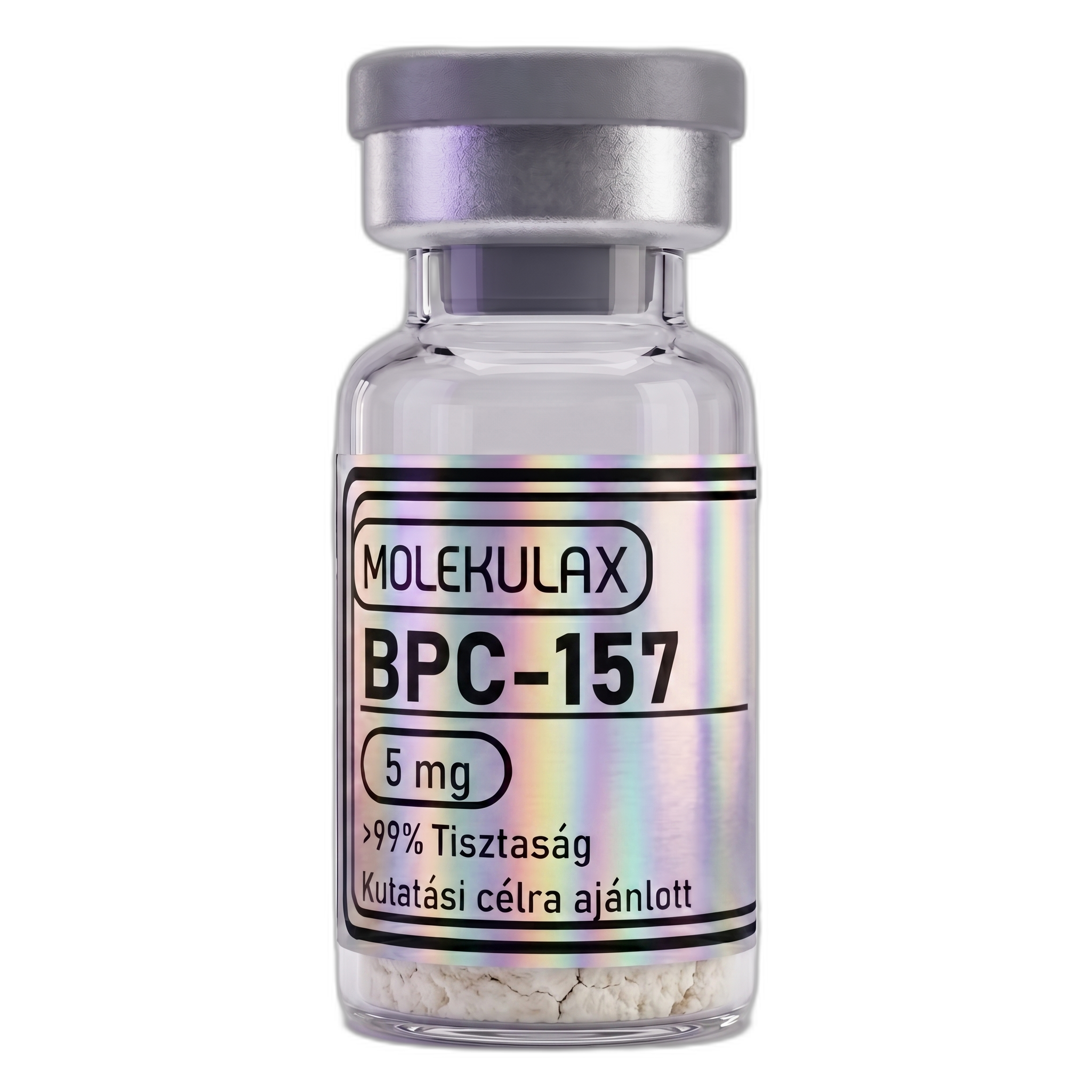 BPC-157 | 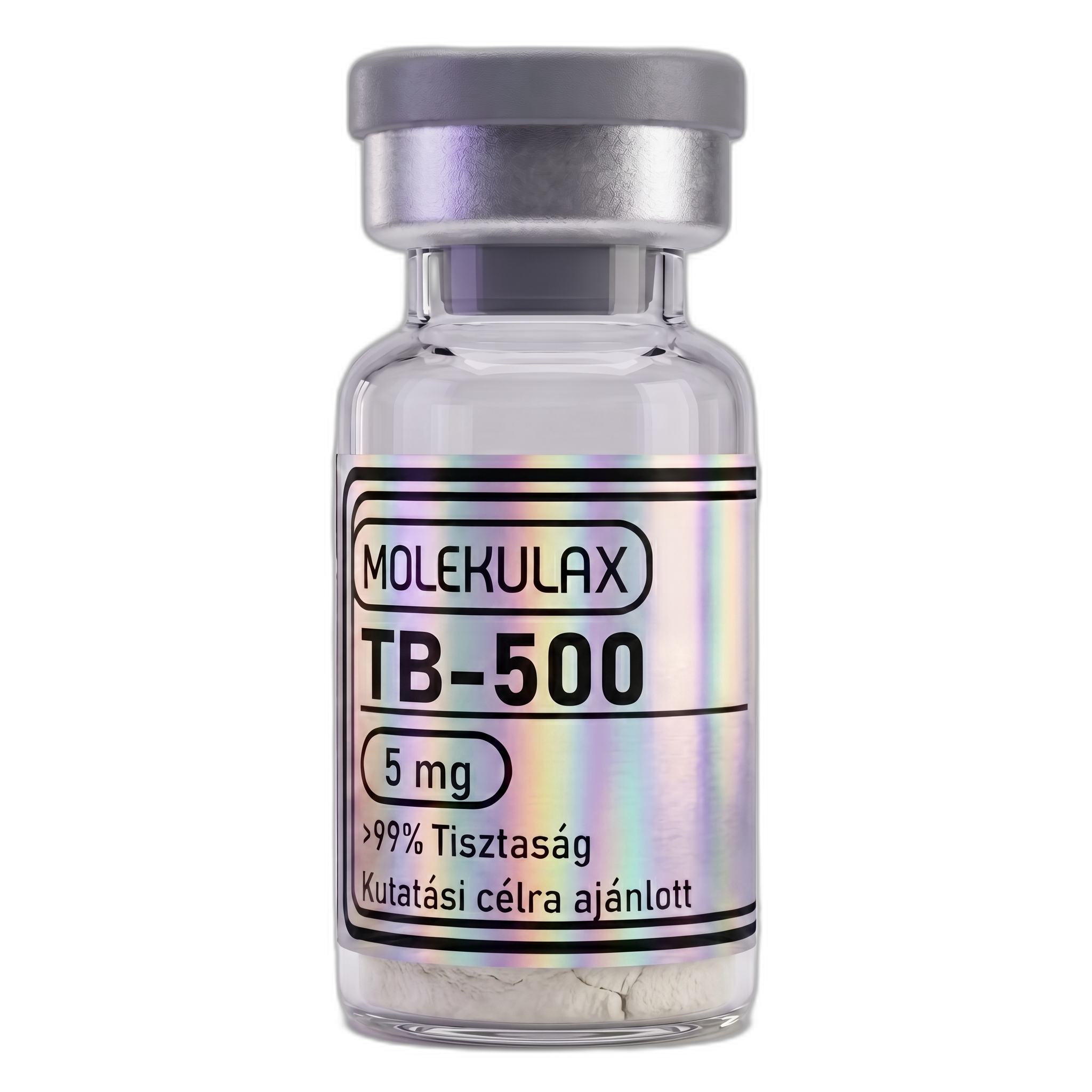 TB-500 | |
|---|---|---|
| What it is | Research peptide for healing injured tissue: tendons and muscles healed faster with it in animal studies. | Research peptide, a lab-made piece of the body's thymosin beta-4 protein; may aid tissue repair, but only small human studies exist. |
| Type | 15-amino-acid pentadecapeptide | Actin-binding polypeptide (Thymosin β4) |
| Structure | Gly-Glu-Pro-Pro-Pro-Gly-Lys-Pro-Ala-Asp-Asp-Ala-Gly-Leu-Val | 43 amino acid full chain |
| Molecular weight | ~1419 Da | ~4963 Da |
| Target area | Tendon, muscle, GI tract, nerve | Muscle, tendon, heart, nerve |
| Storage | 2–8°C (reconstituted) | 2–8°C (reconstituted) |
| Stability | 25–30 days (reconstituted) | 25–30 days (reconstituted) |
| Full entry | Open → | Open → |
What it is
BPC-157Research peptide for healing injured tissue: tendons and muscles healed faster with it in animal studies.
TB-500Research peptide, a lab-made piece of the body's thymosin beta-4 protein; may aid tissue repair, but only small human studies exist.
Type
BPC-15715-amino-acid pentadecapeptide
TB-500Actin-binding polypeptide (Thymosin β4)
Structure
BPC-157Gly-Glu-Pro-Pro-Pro-Gly-Lys-Pro-Ala-Asp-Asp-Ala-Gly-Leu-Val
TB-50043 amino acid full chain
Molecular weight
BPC-157~1419 Da
TB-500~4963 Da
Target area
BPC-157Tendon, muscle, GI tract, nerve
TB-500Muscle, tendon, heart, nerve
Storage
BPC-1572–8°C (reconstituted)
TB-5002–8°C (reconstituted)
Stability
BPC-15725–30 days (reconstituted)
TB-50025–30 days (reconstituted)
Full entry
BPC-157 or TB-500: which one for what?
Both support tissue healing, but by different routes. BPC-157 acts on the signals that start blood-vessel formation and cell movement; the research describes tendons, muscle, nerve and the gastrointestinal tract. TB-500 works by making it easier for cells to migrate to the injured site; here the list is muscle, tendon, heart and nerve. The difference is not which one is “stronger”, but what each one has data for: the digestive tract only with BPC-157, heart muscle only with TB-500.