Peptides, nootropics, performance enhancers and pharmaceuticals, grounded in science
 Grounded in science
Four independent libraries explore the biological effects of peptides, nootropics, performance enhancers and pharmaceuticals on a scientific basis. Send your questions to our advisor, who is available on Telegram.
Knowledge base
Why MolekulaX?
Scientific pharmacology
A scientific overview of compound mechanisms of action, from receptor binding to cellular signalling pathways, across peptides, nootropics, performance enhancers and pharmaceuticals.
Clinical research
We build on peer-reviewed studies and PubMed references. Sourced data only.
Advisor available
If you have a question on the topic, ask our advisor on Telegram.
Where to buy
Partner shops and sources, several with a discount.
LIMITLESS
Research-grade peptides and compounds.

PCT.ZONE
Performance compounds and PCT products.

DRIADA SHOP
Research compounds and peptides.

DEUSPOWER
Steroids, peptides, SARMs and PCT.

MINOXIDILMAX
Topical minoxidil, finasteride and dutasteride.

OPENVAULT
Community source catalogue with member reviews, not a shop.

VITAMINS AND SUPPLEMENTS
Vitamins, minerals and everyday supplements from the iHerb store.

Peptide Library
50+ scientifically documented peptides · search by category and research tier
Top 10 Most Popular Peptides
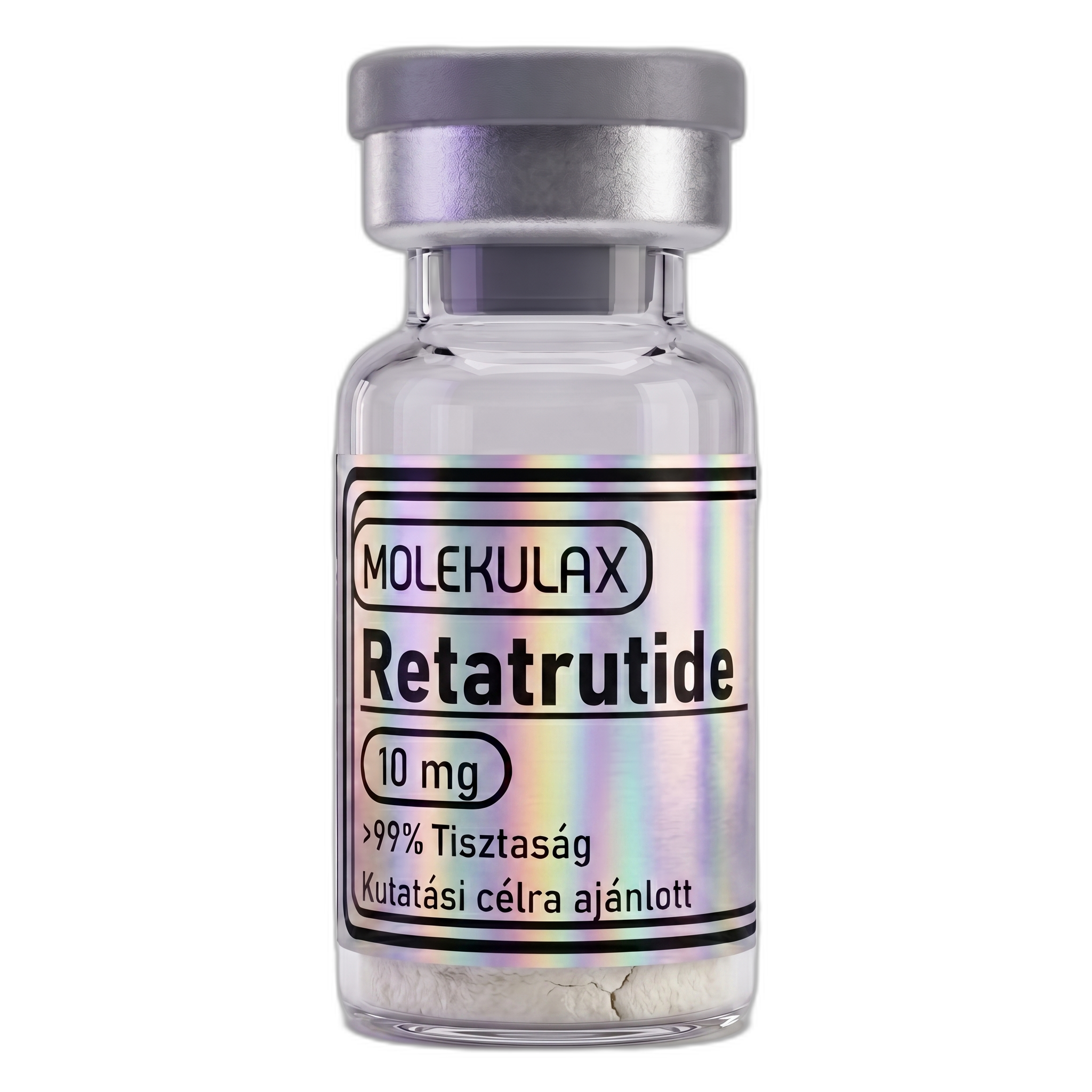
Retatrutide
Late-Stage
Research uses
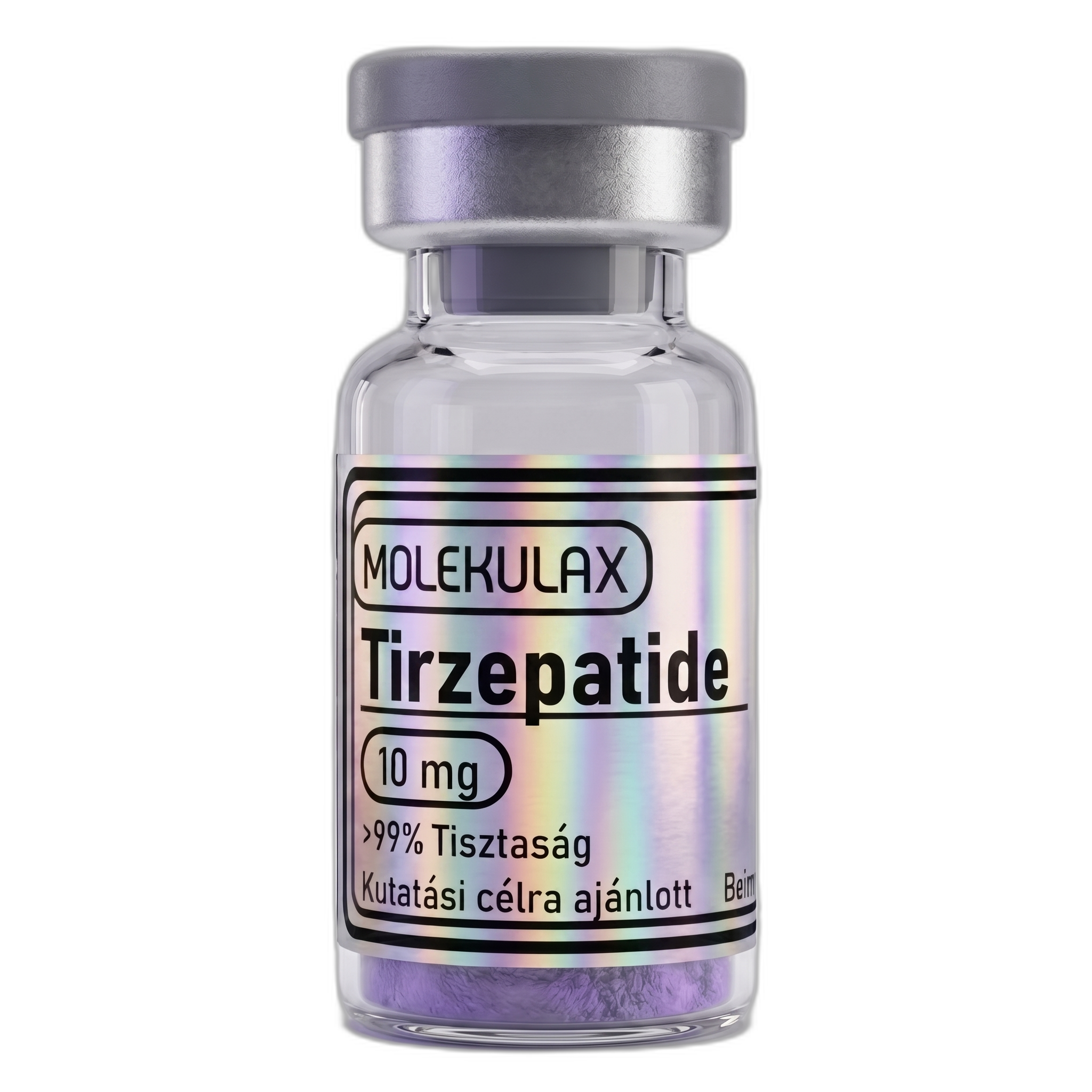
Tirzepatide
Approved
Research uses
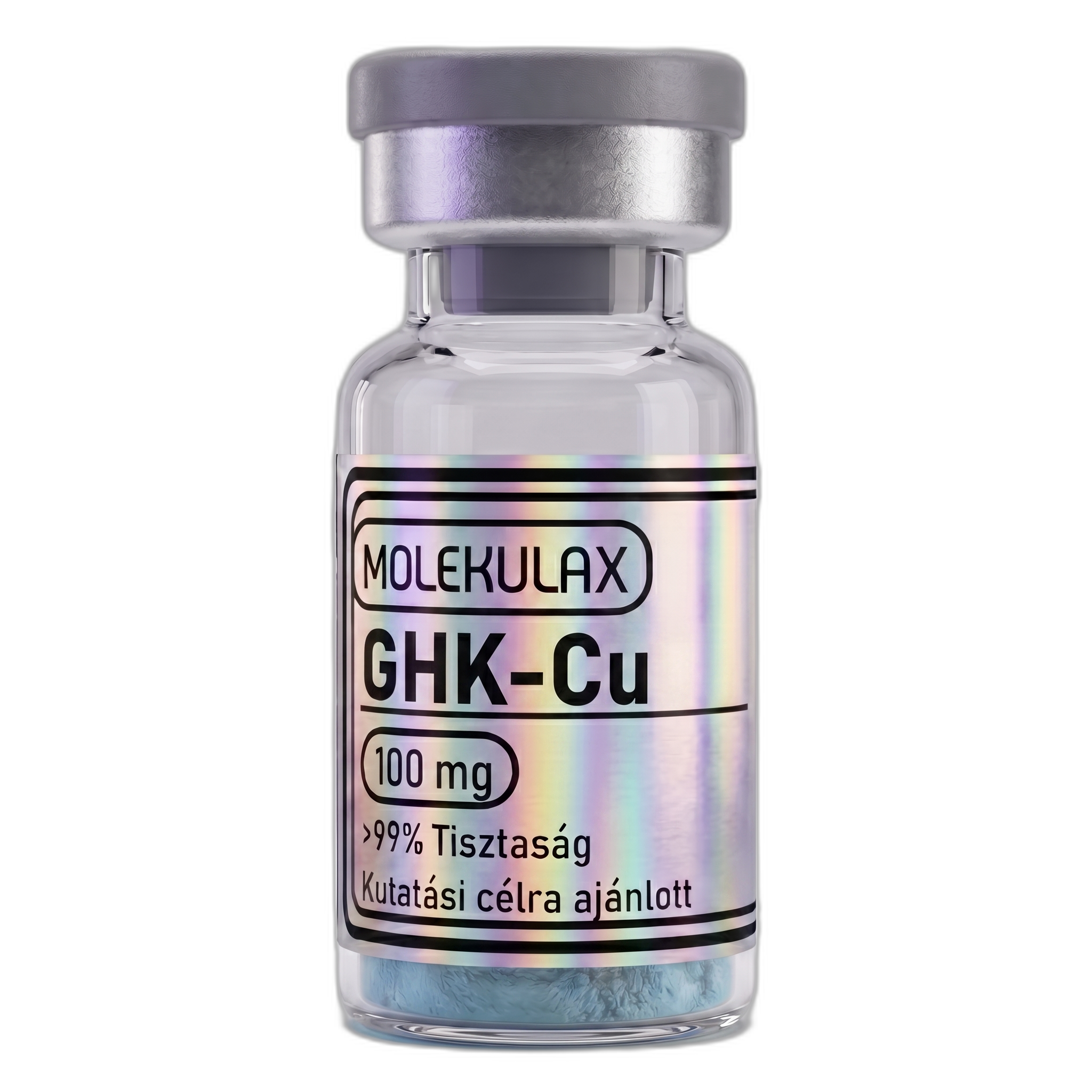
GHK-Cu
Late-Stage
Research uses
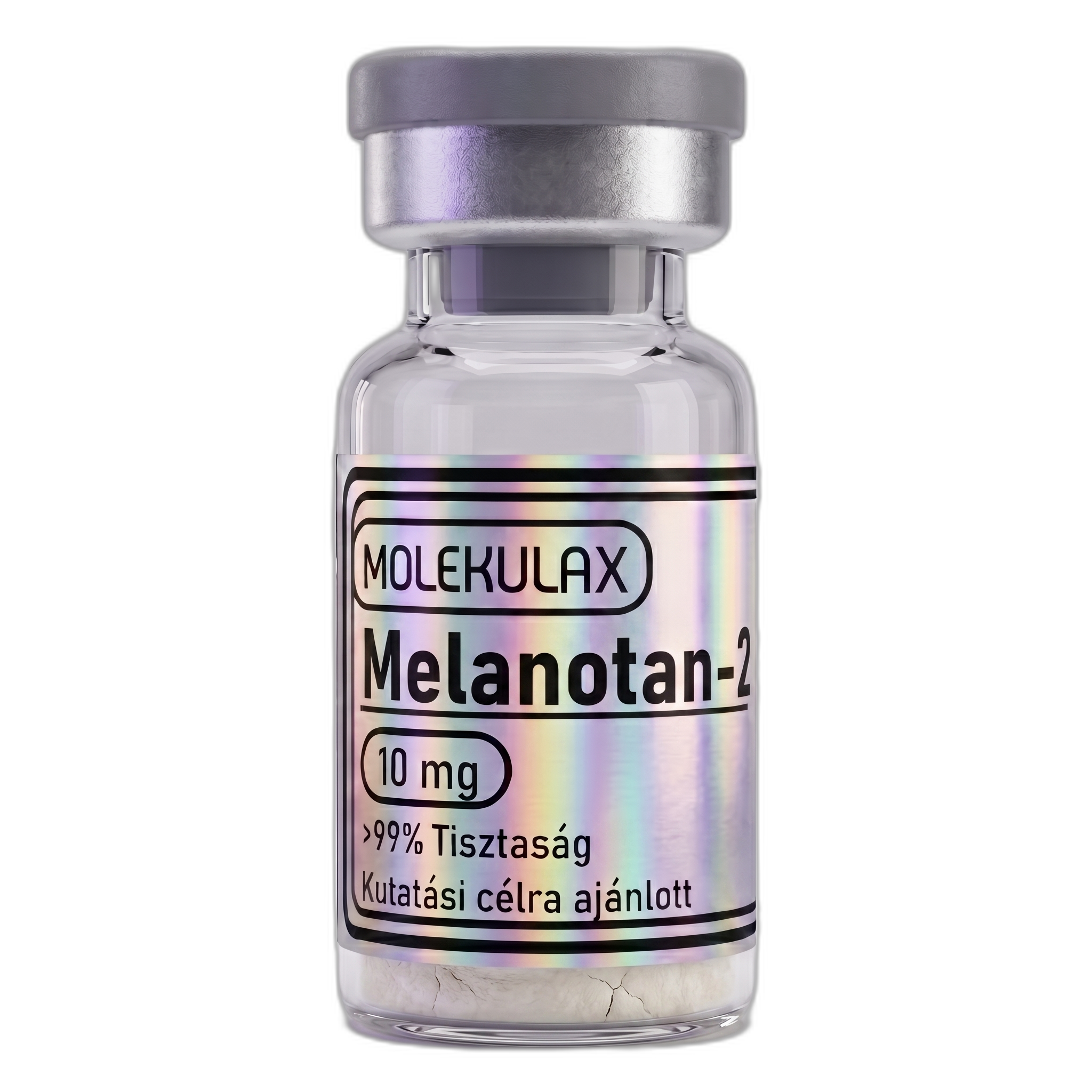
Melanotan-2
Clinical Research
Research uses
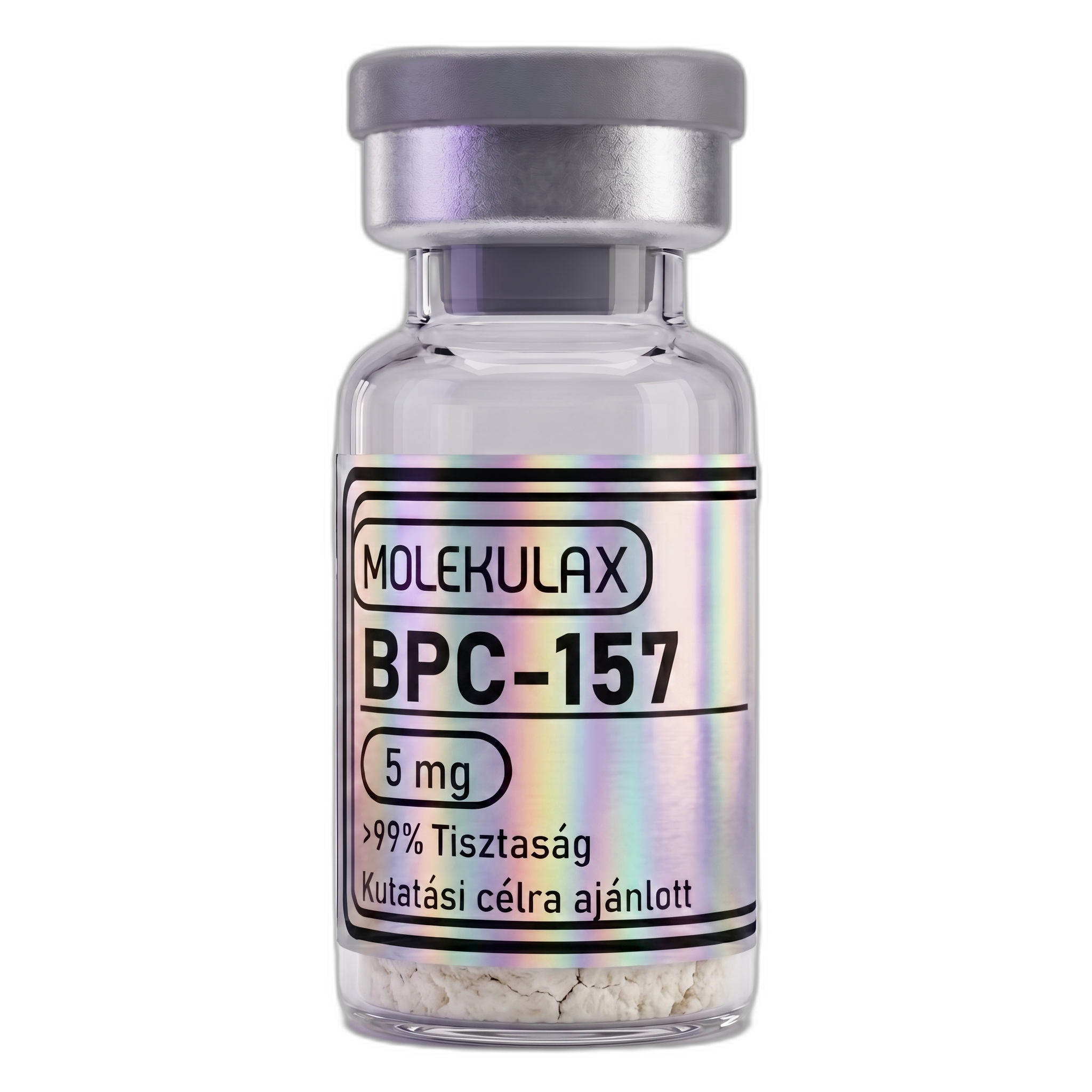
BPC-157
Clinical Research
Research uses
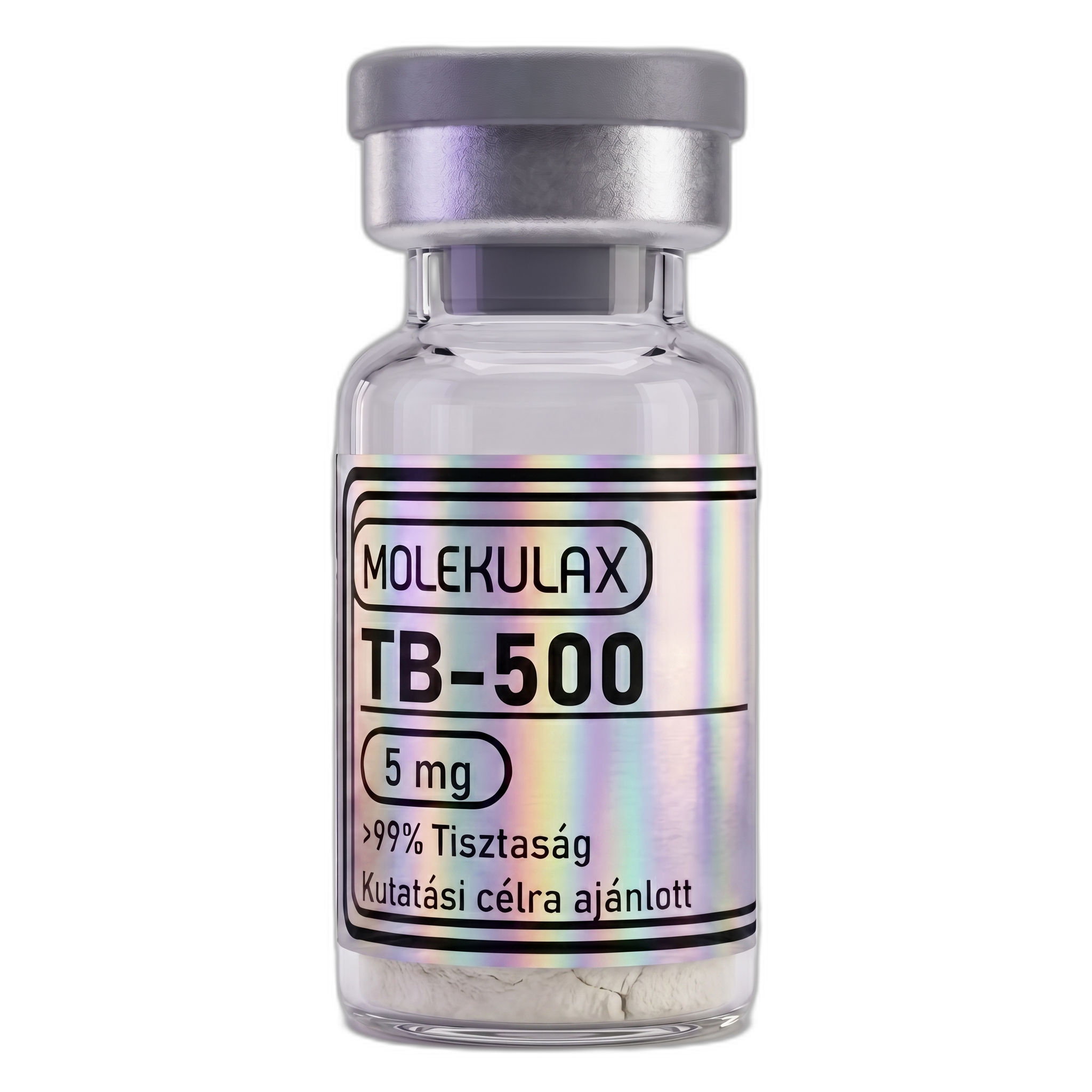
TB-500
Clinical Research
Research uses
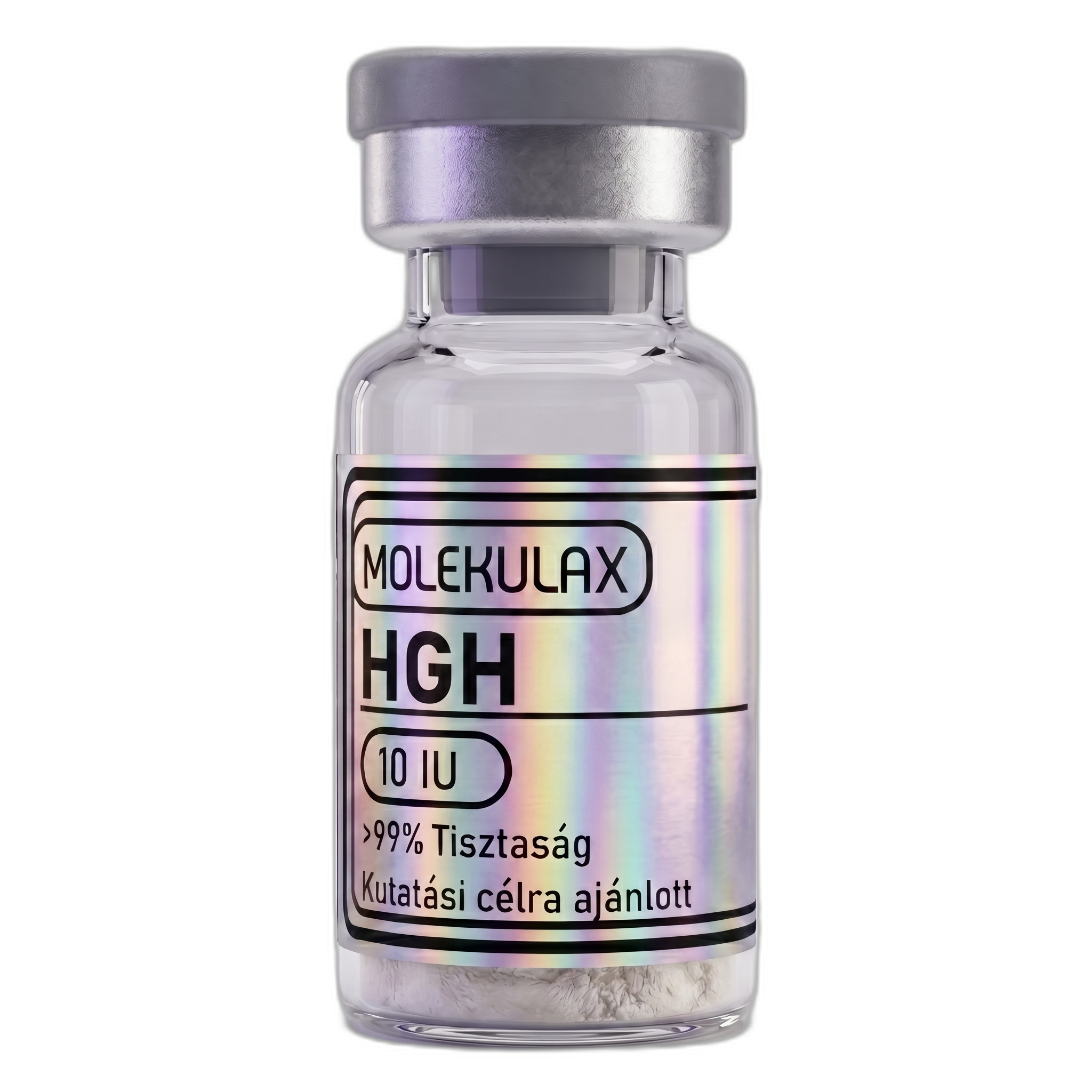
HGH
Approved
Research uses
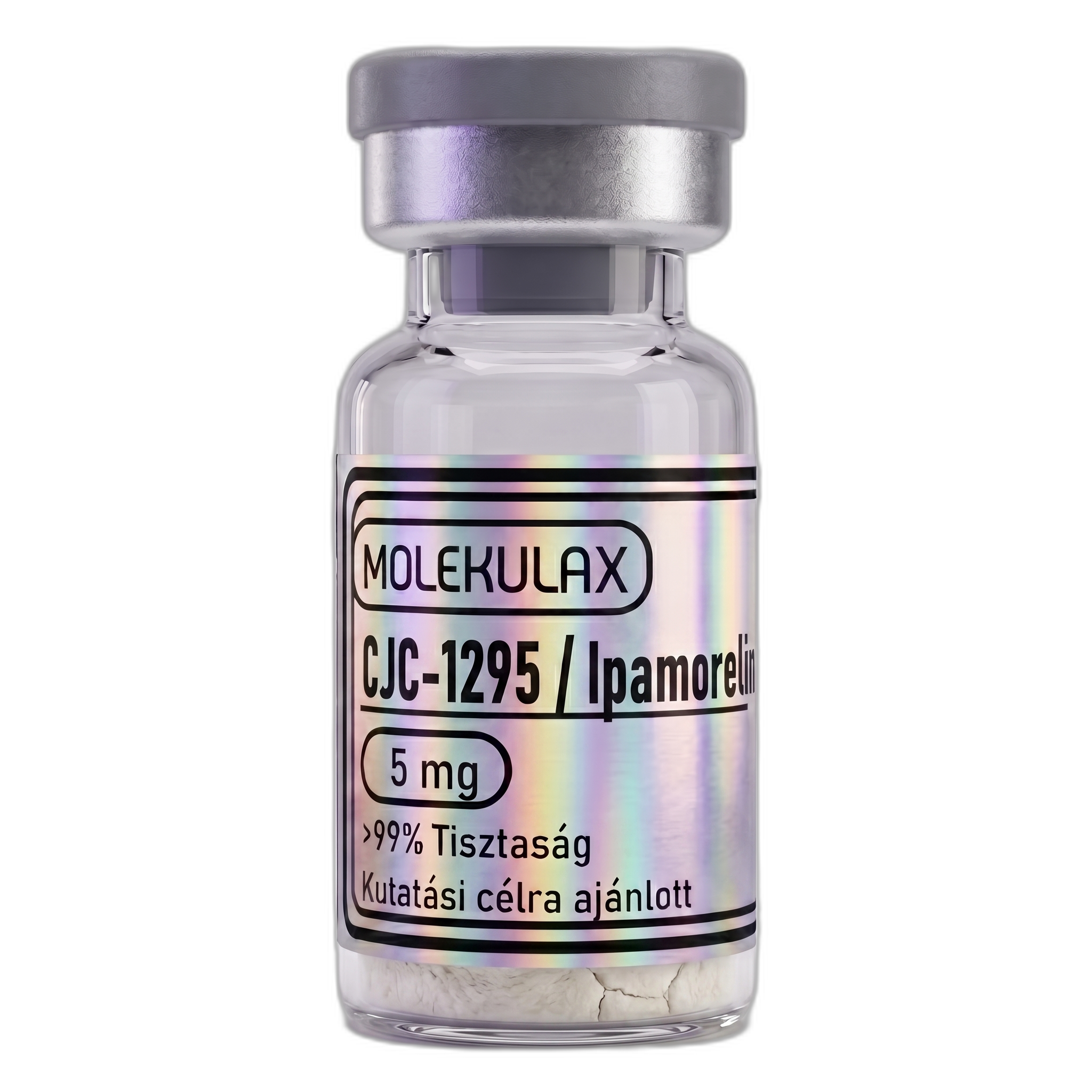
CJC-1295 / Ipamorelin
Clinical Research
Research uses
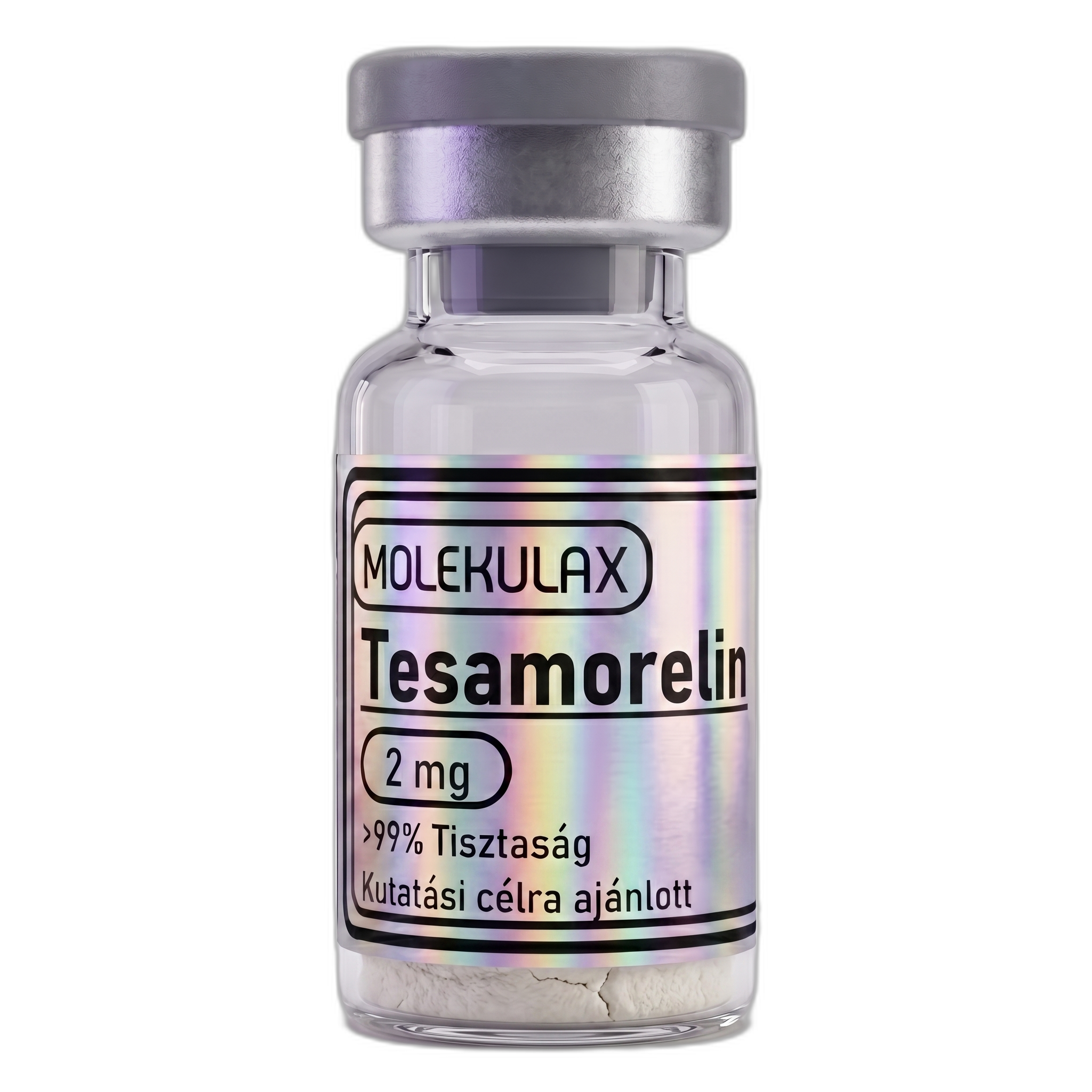
Tesamorelin
Approved
Research uses
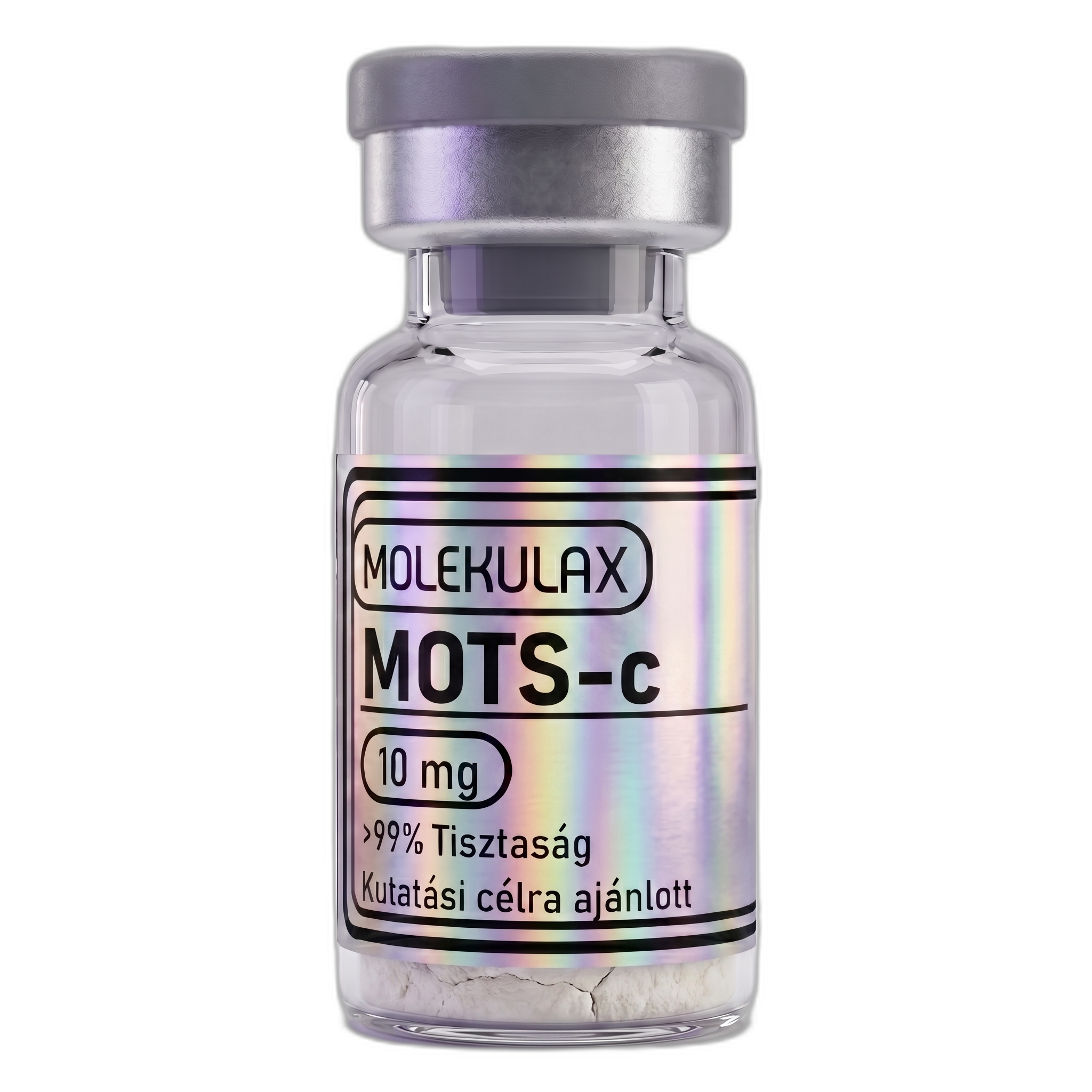
MOTS-c
Preclinical
Research uses
Physiological Effects
Peptide effect groups and scientific background
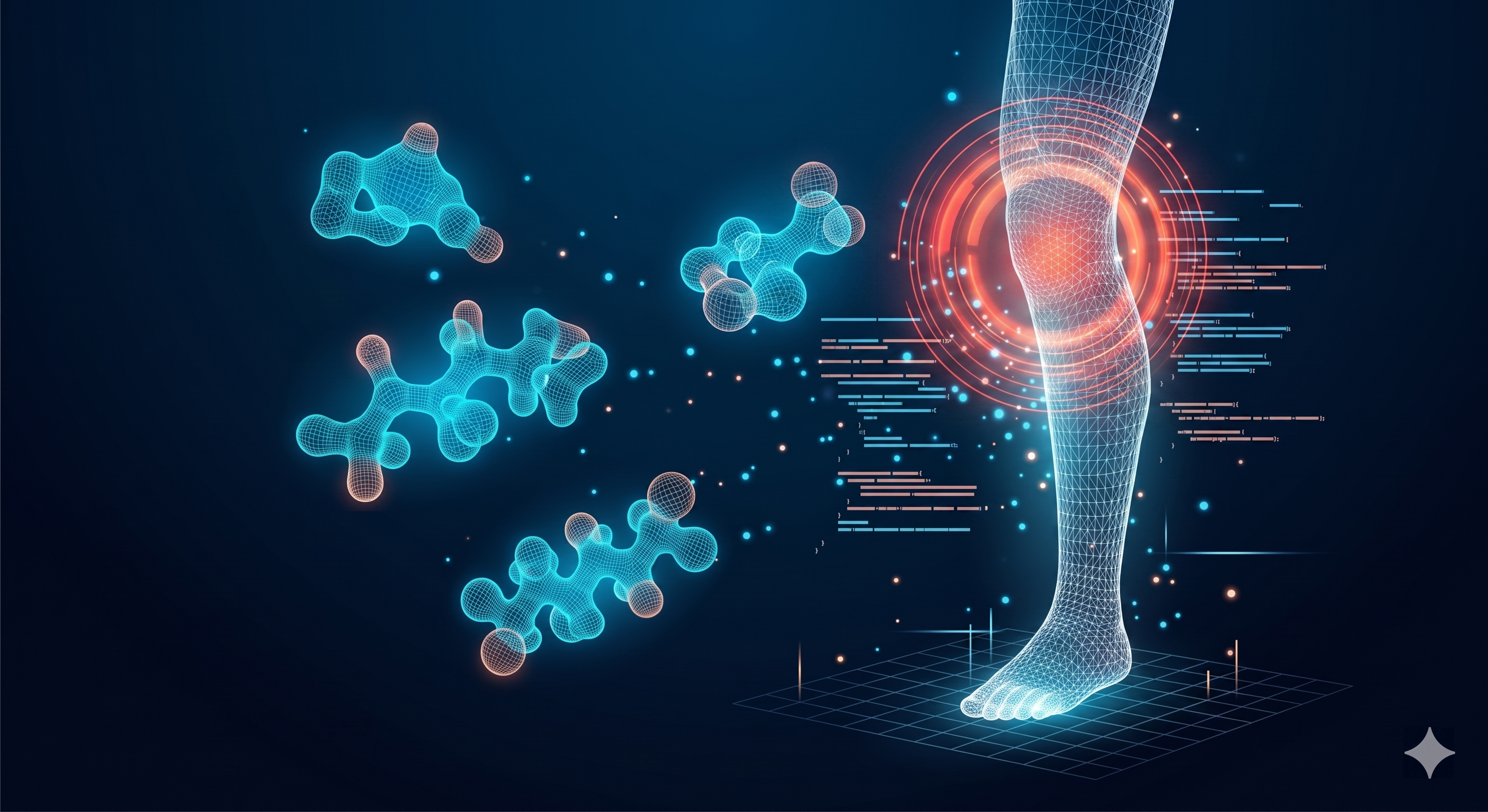
Tissue regeneration & anti-inflammation
Healing peptides
Healing peptides accelerate the regeneration of muscles, tendons, ligaments and internal organs. They reduce inflammation at the cellular level, activate fibroblasts and promote angiogenesis (new vessel formation). Ideal for post-injury rehabilitation and chronic inflammation.
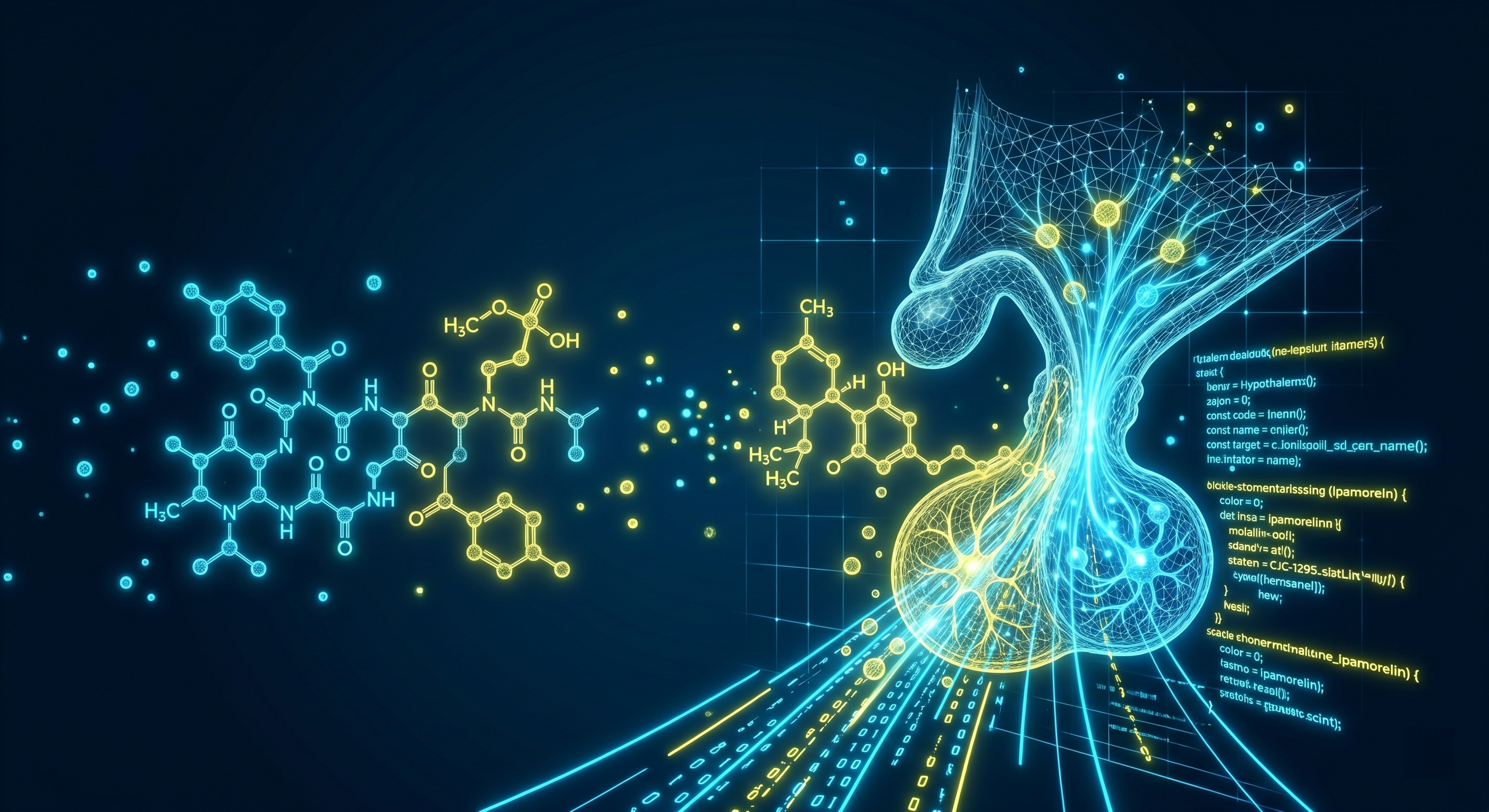
GH secretion & anabolic effects
Growth-hormone-stimulating peptides
These peptides stimulate the natural pituitary release of growth hormone (GH), mimicking the body’s pulsatile GH secretion. They boost IGF-1, improve sleep, reduce fat mass and help preserve lean muscle.
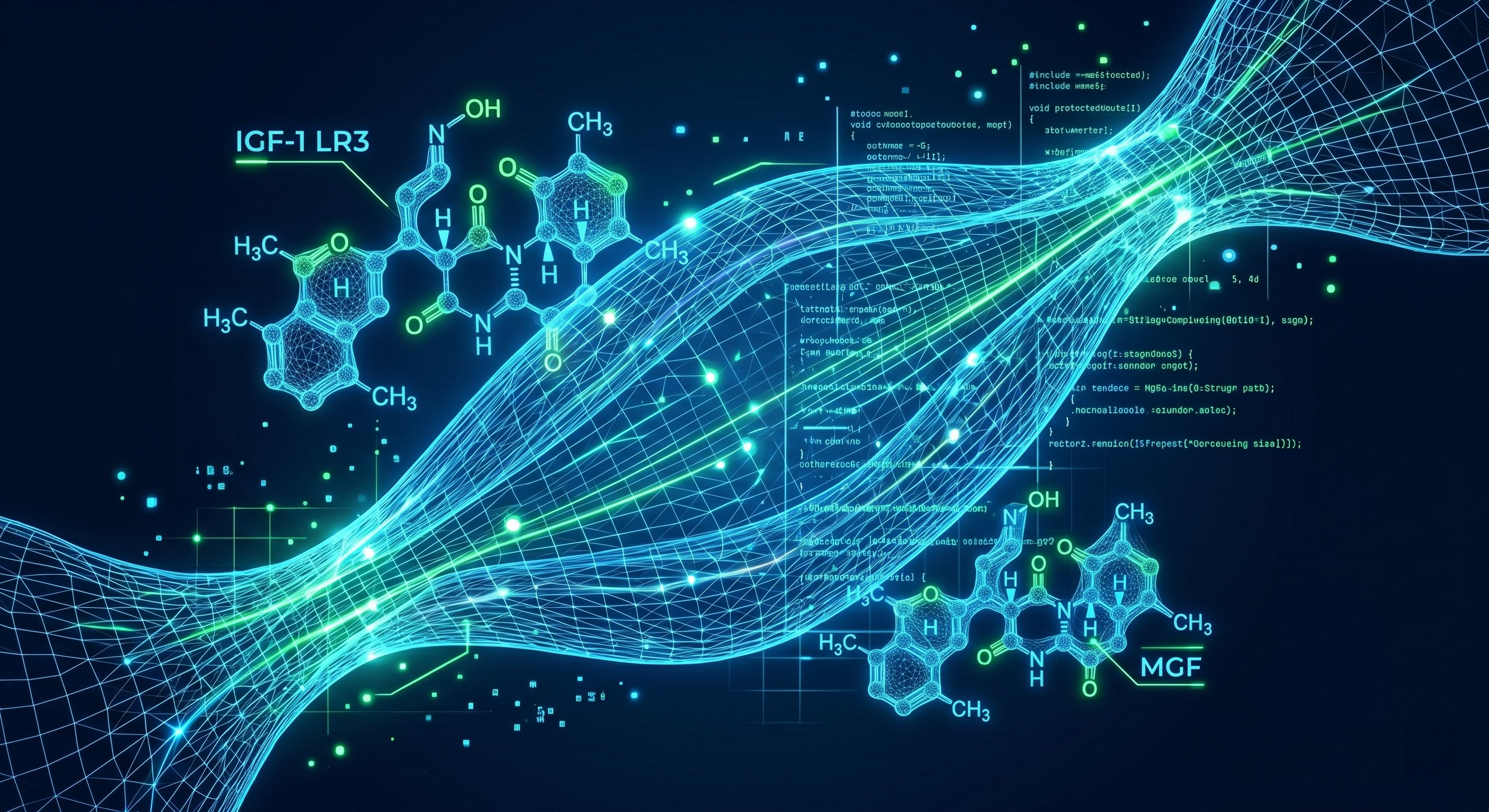
Protein synthesis & hypertrophy
Muscle-building peptides
Muscle-building peptides act directly on skeletal-muscle growth pathways: activating mTOR, boosting satellite-cell proliferation and reducing muscle breakdown. They help preserve lean mass even in a caloric deficit.
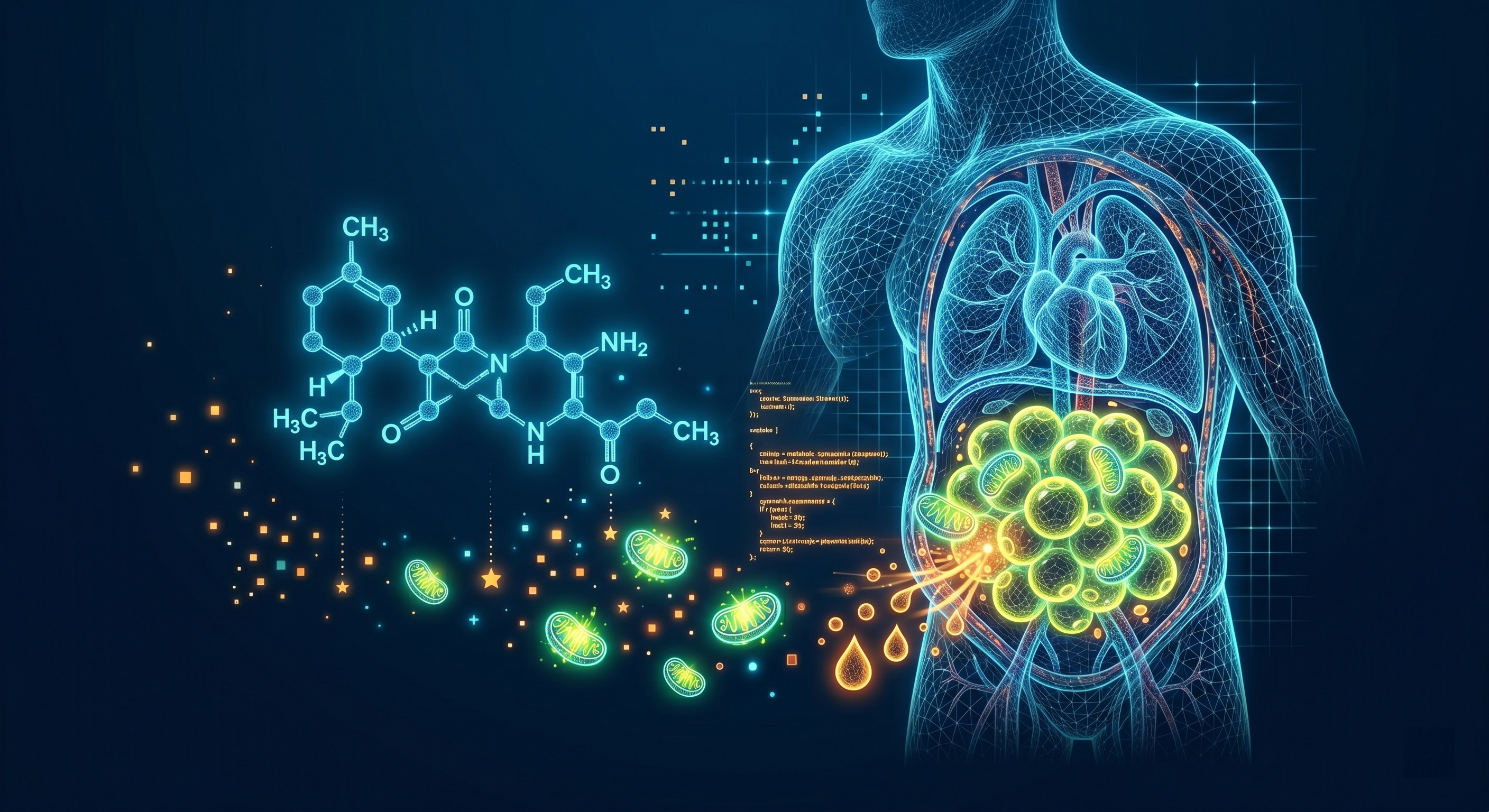
Fat loss & insulin sensitivity
Metabolic peptides
Metabolic peptides influence lipolysis, regulate blood glucose and improve insulin sensitivity. Some, via the GLP-1 receptor, reduce appetite and slow gastric emptying.
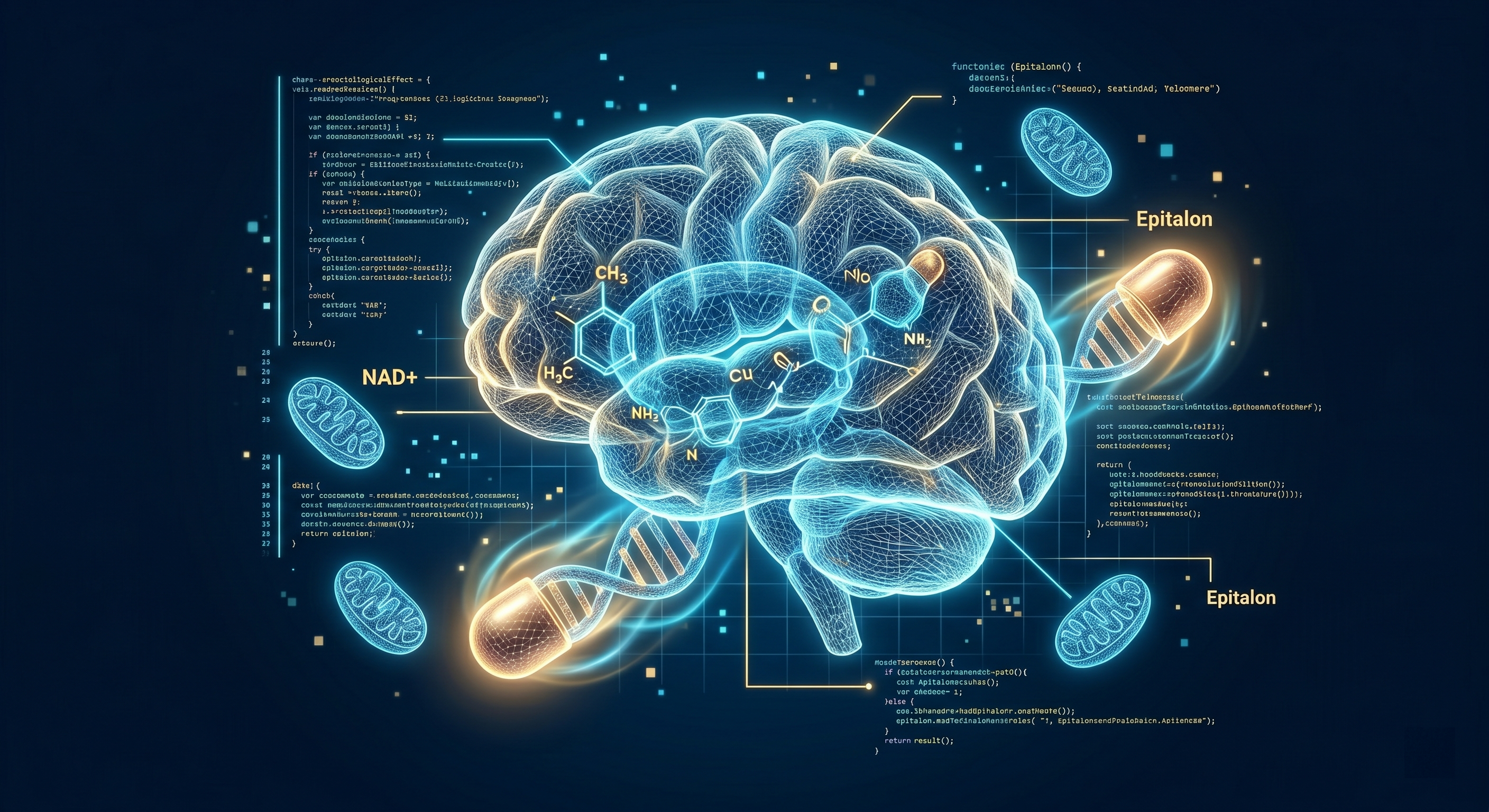
Anti-aging & cellular renewal
Longevity peptides
Longevity peptides act on cellular aging processes: stimulating telomerase, reducing oxidative stress and regulating epigenetic markers. They are one of the most promising areas of aging research.
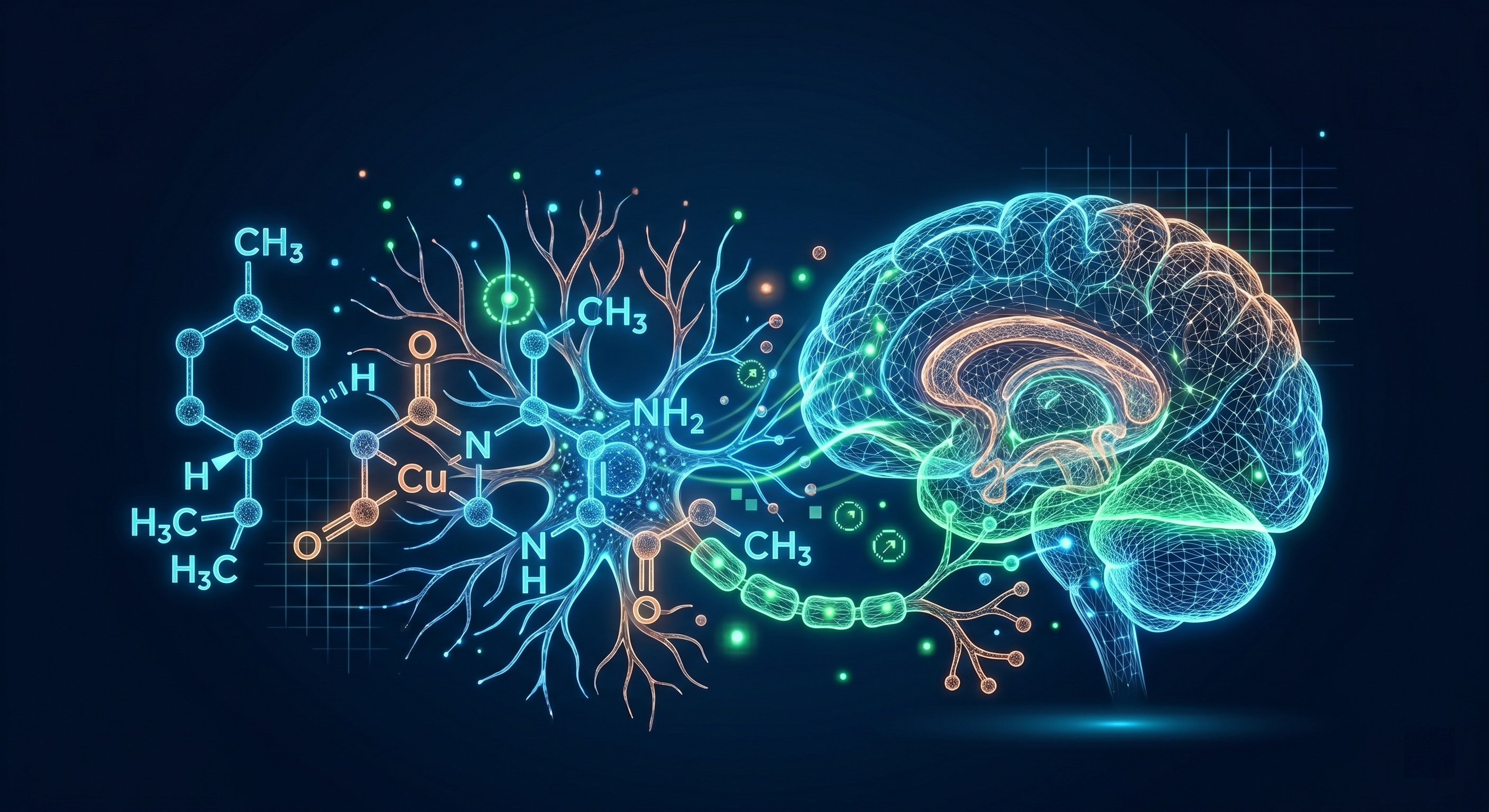
Neuroprotection & cognition
Nervous-system peptides
Nervous-system peptides cross the blood-brain barrier and act on neurotransmitter systems, BDNF production and neuroprotective pathways. They improve focus, memory and protect against neurodegenerative processes.
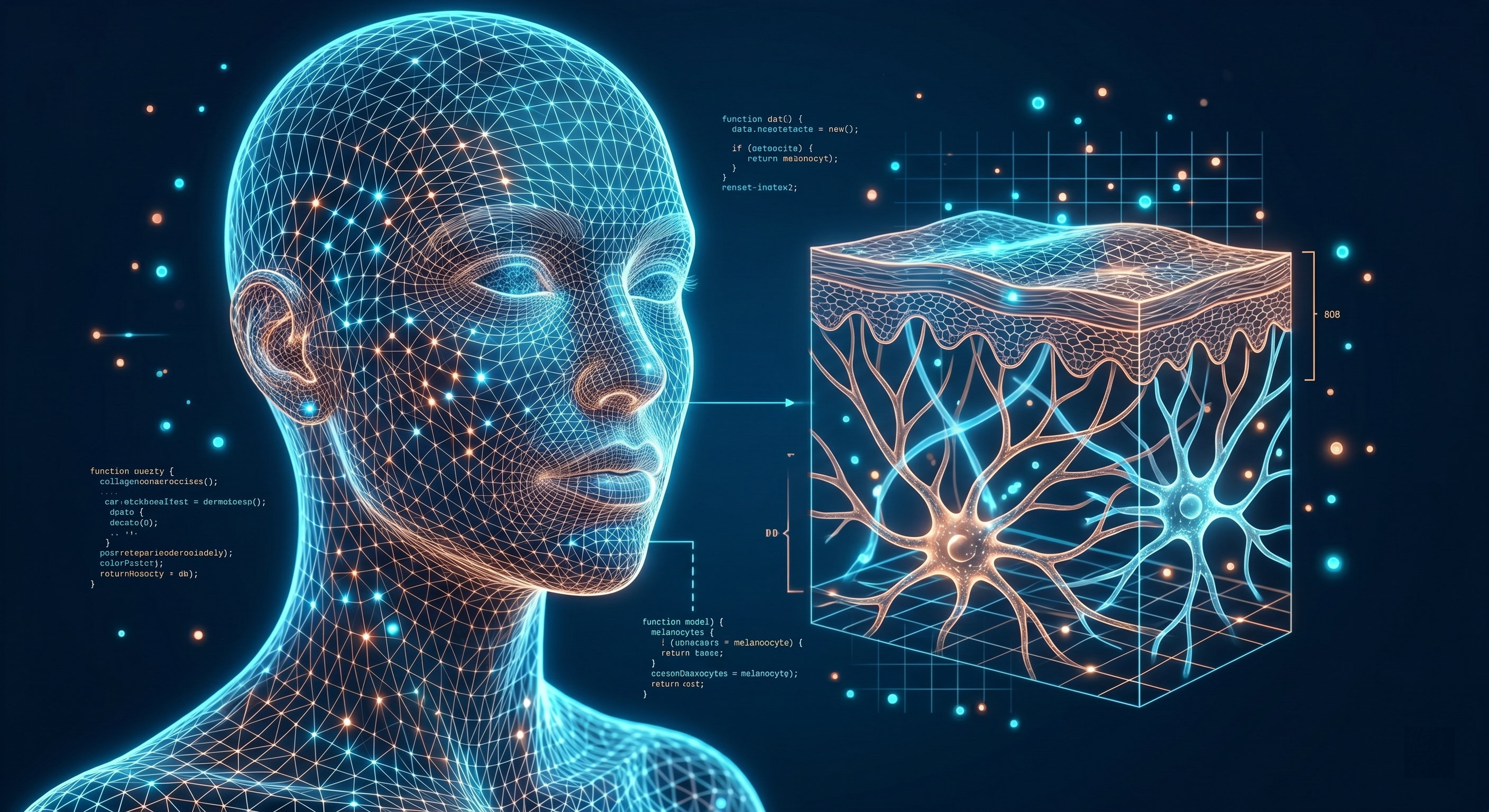
Collagen synthesis & skin renewal
Cosmetic peptides
Cosmetic peptides stimulate the production of collagen types I, III and IV, reduce matrix metalloproteinases and activate fibroblasts. Effective both topically and systemically, improving skin elasticity and reducing fine lines.
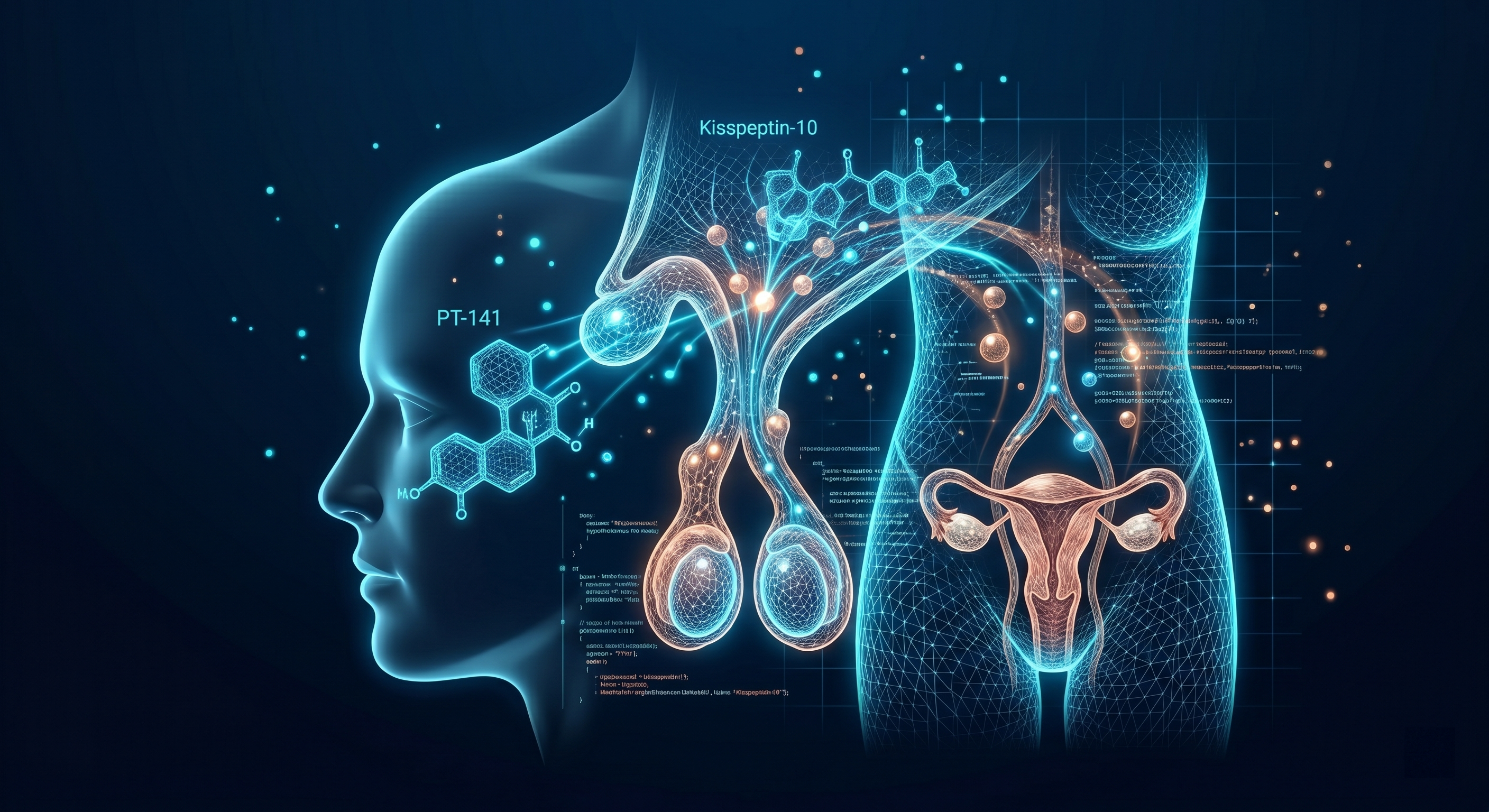
Immunomodulation & defence
Immune-system peptides
Immunomodulatory peptides are thymus-derived molecules that influence T-cell maturation, NK-cell activity and cytokine balance. They can act both anti-inflammatory and immune-stimulating at the same time.
Tools
Peptide Calculator
Reconstitution ratios, cycle planning and reference data in one place.
Typically 2 mg, 5 mg or 10 mg
Typically 1–2 mL
Typical range: 250 mcg
Result
The insulin syringe is on the U-100 scale (100 IU = 1 mL). If using a U-40 syringe, divide the result by 2.5.
Contact
Have a question about peptides?
Our advisor is available on Telegram. Just write, and we’ll answer your questions.
Personalized consultation
Want a detailed conversation tailored to your data?
Fill out the prep intake form (your goals, training and health data), and the advisor prepares from it to give genuinely personalized guidance.
Fill out the form~5–7 min · prep questionnaire · confidential · GDPR-compliant
Frequently asked questions
FAQ
45 questions, from dosing to legal status.
MolekulaX is an educational platform that presents the mechanisms of action, pharmacokinetics and research background of peptides, nootropics, performance enhancers and pharmaceuticals on a scientific basis. Content is sourced exclusively from peer-reviewed literature, PubMed, FDA prescribing information, EU EMA SmPC and NIH PubChem. Influencer-style curated notes and RUO-aggregator sites are not part of our source list.
No. All content on this site is for educational and informational purposes only. It is not intended to diagnose, treat, cure or prevent any disease, and does not encourage illegal substance or pharmaceutical use. Consult a qualified healthcare professional before using any substance.
A peptide is a short amino-acid chain (usually 2-50 amino acids) that is almost always injected because oral administration leads to digestion. A nootropic is a broader category: cognition-enhancing substances that can be small molecules (racetams, eugeroics), amino acids (L-Theanine), plant extracts (Bacopa, Rhodiola) or peptides themselves (Semax, Selank, Cerebrolysin). The overlap sits in the peptide-nootropic category.
Our advisor is available on Telegram (@molekulaxtra). Provide the substance name, intended use, and relevant details. We provide personalized, science-based information.
All answers are informational. They do not replace medical advice.
Important notice
This website was created strictly for educational and informational purposes. We do not sell products, do not provide medical advice, do not run a group, and do not encourage illegal substance or pharmaceutical use. The content is based on peer-reviewed scientific sources but does not replace medical advice. When in doubt, consult your doctor.